Best Restaurants in Melbourne: From Laneway Cafes to Fine Dining
Melbourne doesn’t shout about its food. It doesn’t need to. Walk down any laneway in the city centre and you’ll smell fresh bread, hear coffee machines hissing, and spot a queue outside a tiny place with no sign and fifteen seats. That quiet confidence is what makes eating here so good.
This is a city where a dumpling house can sit next to a three-hat restaurant and both can be packed on a Tuesday night. People here care about where their food comes from, who cooked it, and whether the coffee is actually worth the price. Use this guide to find the best restaurants in Melbourne, from cheap laneway lunches to the fine dining tables you’ll need to book weeks ahead.
Why Melbourne Eats So Well
Melbourne has long called itself Australia’s food capital, and the claim holds up. Waves of migration built the city’s palate: Italian families in Carlton, Greek cafes on Lonsdale Street, Vietnamese kitchens in Richmond, and newer arrivals bringing Ethiopian, Lebanese, and Korean cooking into the mix. The result is a food scene that borrows from everywhere and still feels like Melbourne.
The other piece is coffee. Melbourne’s cafe culture runs deep, and it shaped the whole restaurant world around it. Chefs here learn to cook for people who notice the small things — the bread, the butter, the way a dish is seasoned. Standards stay high because locals won’t accept less.
You don’t need a big budget to eat well here. Some of the most loved meals in the city cost less than twenty dollars. What you do need is a bit of local knowledge, which is where this guide comes in.
Laneway Cafes and the Brunch Scene
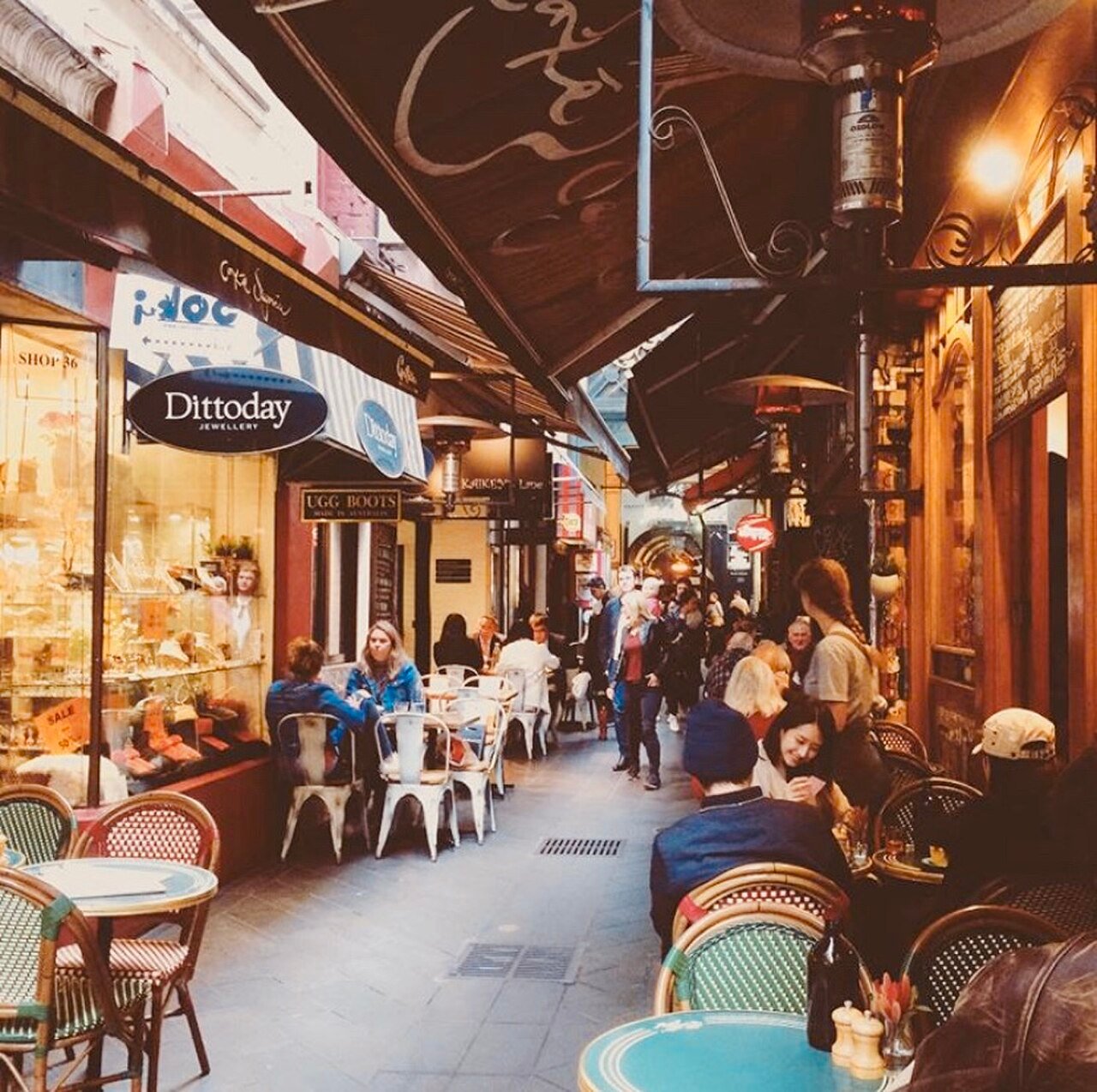
Melbourne’s laneways are the heart of its food scene. Degraves Street, Centre Place, and Hosier Lane pack cafes, bakeries, and tiny bars into narrow bluestone lanes that feel a world away from the main roads. Mornings here start early, with office workers grabbing flat whites and travellers settling in for a slow brunch.
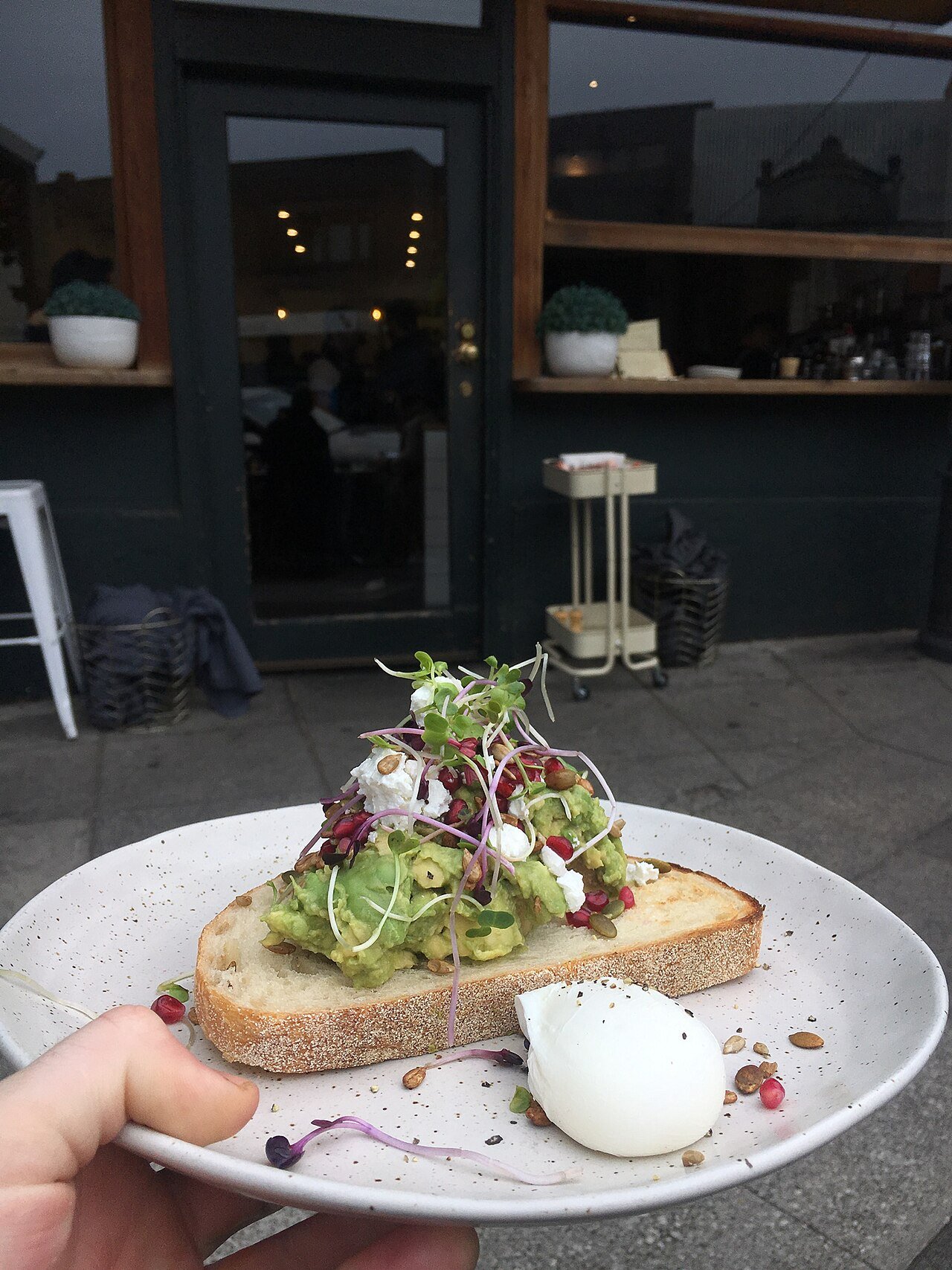
Brunch is almost a sport in Melbourne. Menus lean on local produce: smashed avocado on sourdough, ricotta hotcakes with berries, and eggs cooked every way you can name. The avocado toast photo below is the kind of plate you’ll see on half the tables in the city on a Saturday morning — simple, fresh, and done properly.
If you only have one morning free, pick a laneway cafe over a hotel breakfast. Order whatever the table next to you is having, and ask the staff what’s good today. Melbourne cafe staff usually know the menu inside out and will steer you right.
The laneways also hide some of the city’s best lunch spots. Look for the places with a handwritten menu and a line out the door — that line is usually the best review a restaurant can get. Melbourne’s laneway scene rewards anyone willing to wander a little instead of sticking to the main streets.
Fine Dining in Melbourne
At the top end, Melbourne holds its own against any food city in the world. Attica, in the suburb of Ripponlea, has spent years near the top of national restaurant lists, serving a tasting menu built around native Australian ingredients and a kitchen that treats vegetables with the same respect as wagyu. Book well ahead — tables go fast.
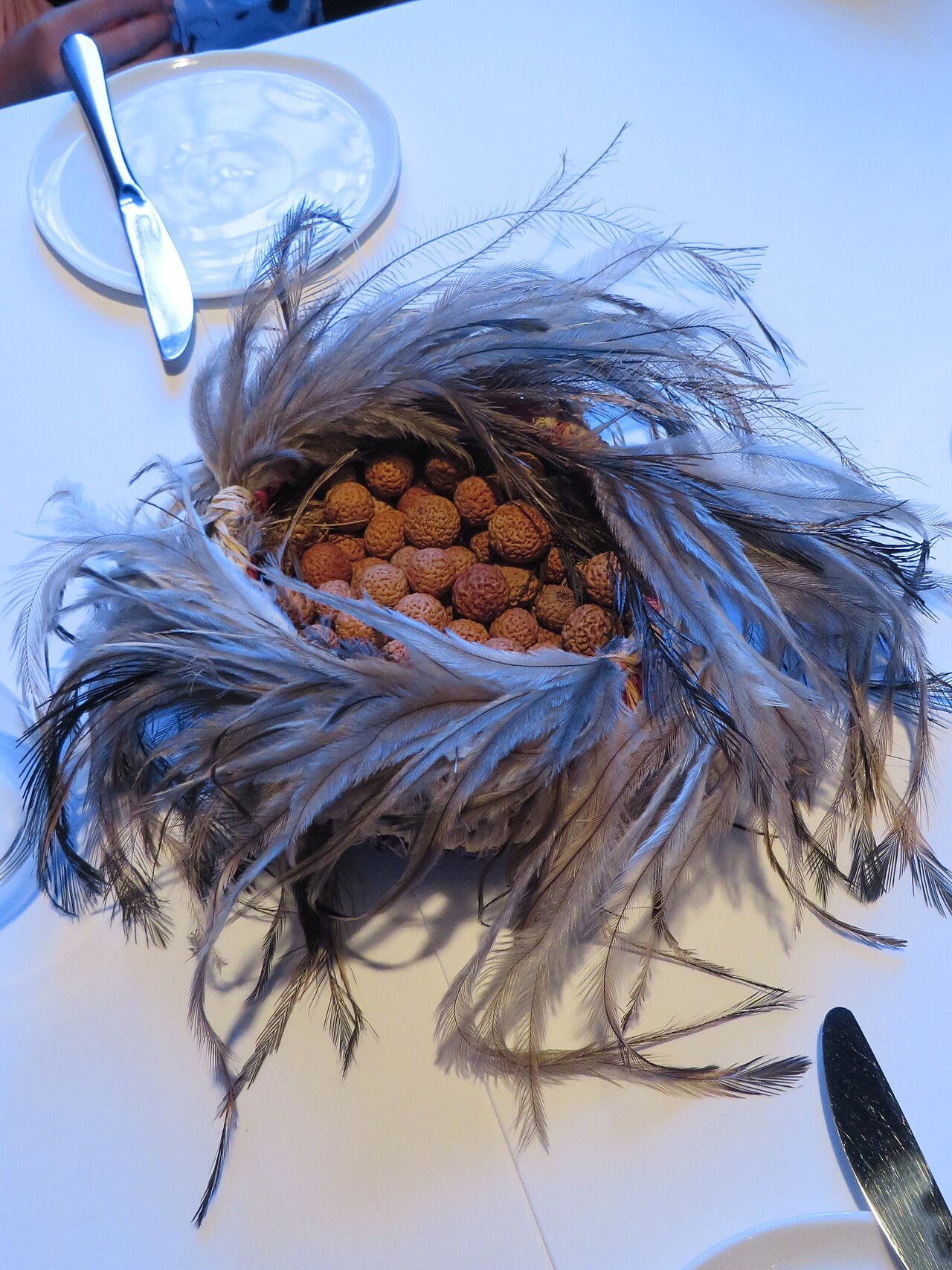
Vue de Monde, high above the city on Collins Street, pairs sweeping views with a long tasting menu and one of the best wine lists in the country. Flower Drum, a Melbourne institution since the 1970s, still serves some of the finest Cantonese food in Australia, and its Peking duck has a loyal following that spans generations.
Fine dining in Melbourne doesn’t always mean stiff and formal. Plenty of top tables here are relaxed, with chefs who’ll come out and chat, and dining rooms where jeans won’t raise an eyebrow. The food is serious; the mood often isn’t. That’s part of the charm.
Prices at this level usually run from around 180 to 350 dollars a person for a tasting menu, before drinks. If that’s beyond reach, look for the same restaurants’ lunch menus — shorter, cheaper, and often just as memorable.
Cheap Eats and Late-Night Food
Melbourne’s cheap eats are where the city really shows off. In Richmond, Victoria Street is lined with Vietnamese restaurants serving bowls of pho and banh mi for the price of a coffee. Footscray’s markets and eateries cover African, Vietnamese, and Chinese cooking at prices that make you double-check the bill.
The CBD stays hungry late. After midnight you’ll find dumpling houses still steaming baskets, kebab shops doing a roaring trade, and a few beloved late-night spots serving burgers and chips to theatre crowds and night owls. Melbourne’s late-night food scene is one of the best in Australia — the city has always kept odd hours.
Some of the best cheap meals to hunt down:
- Pho and banh mi on Victoria Street, Richmond
- Dumplings in Chinatown on Little Bourke Street
- Cheap and cheerful pasta in Carlton’s Lygon Street
- Souvlaki and Greek street food around the city centre
- Burgers and loaded fries at late-night joints in the CBD
You can eat brilliantly in Melbourne for under twenty dollars a meal if you know where to look. The trick is to follow the locals: busy dining rooms, short menus, and cooks who clearly care.
Where to Eat by Neighbourhood
Melbourne rewards you for leaving the centre. Each neighbourhood has its own flavour, and a short tram ride can change the whole menu.
The CBD is best for laneway cafes, dumplings, and late-night eats. It’s also where you’ll find the big-name restaurants and the rooftop bars with city views. Come here for variety and for food at any hour.
Fitzroy, just north of the centre, is the city’s creative heart. Brunswick Street and Gertrude Street are full of small wine bars, vegan cafes, and restaurants that change their menus with the seasons. It’s the place to go when you want something a little different.
Richmond is the go-to for Vietnamese food, along with a growing strip of modern Australian restaurants and pubs with seriously good kitchens. Carlton, meanwhile, is still the home of Italian Melbourne — Lygon Street’s old-school trattorias sit alongside newer spots doing fresh pasta by hand.
St Kilda, down by the bay, mixes beachside cafes with cake shops that have been running for decades. It’s the place for a long, slow lunch with the sea in view. And if you head out to the suburbs, you’ll find some of the city’s most exciting cooking in places tourists rarely reach.
Melbourne’s Coffee Culture
You can’t talk about eating in Melbourne without talking about coffee. The city takes its coffee seriously — some would say obsessively. Flat whites here are an art form, and baristas train for years to get the milk texture right.
The coffee scene grew out of the Italian and Greek cafes that arrived after the war, and it never left. Today you’ll find specialty roasters in every suburb, each with its own house blend and its own loyal crowd. Ordering is simple: a flat white is the local default, a long black if you like it strong, and a magic — a double ristretto with steamed milk — if you want to sound like you live here.
Good coffee is everywhere, but the best cups tend to come from small independent cafes rather than big chains. If a cafe roasts its own beans, that’s usually a good sign. And if the barista asks how you like it, you’re in the right place.
Coffee and food go together here. Many of the best breakfasts in the city are built around the coffee as much as the plate, and a great cafe in Melbourne gets both right.
How Much Should You Budget?
Eating out in Melbourne can suit almost any budget. A casual cafe breakfast runs about 20 to 30 dollars. A solid lunch at a laneway spot or dumpling house is usually 15 to 25 dollars. Dinner at a good neighbourhood restaurant is often 50 to 80 dollars a person with a drink.
Fine dining is the big step up: expect 180 to 350 dollars per person for a tasting menu, more with matched wines. But you don’t need to spend that to eat well. Some visitors find their favourite meal of the trip is a ten-dollar bowl of noodles in Richmond or a pastry from a Carlton bakery.
Tipping is relaxed in Australia. Staff are paid proper wages, so a tip is a bonus, not an obligation. Rounding up the bill or leaving ten percent for great service is generous and always appreciated.
Tips for Booking and Eating Out
A little planning goes a long way in Melbourne. The best restaurants book out, especially on Friday and Saturday nights, so reserve ahead for anything you’ve got your heart set on. Many places now take bookings online, and some of the smaller spots only take walk-ins — check before you go.
Weekday lunches are often the smartest move. Kitchens are calmer, prices are lower, and you can sometimes walk into places that need a booking at dinner. If a restaurant is full, ask the staff where they’d eat nearby — Melbourne hospitality workers love sharing their favourites.
Trams make getting around easy, and most of the best food neighbourhoods sit on a tram line. The free tram zone covers the CBD and Docklands, which helps when you’re hopping between laneways. Wear comfortable shoes: Melbourne’s food scene is best explored on foot, one lane at a time.
And keep an open mind. The best meal of your trip might be somewhere you’d never have picked from a list — a tiny place with a chalkboard menu and no website. Melbourne rewards the curious.
Markets and Food Shopping
If you like cooking as much as eating out, Melbourne’s markets are worth a morning. Queen Victoria Market, running since the 1870s, is the big one — fresh produce, smallgoods, cheese, and baked goods spread across a huge site near the city centre. Go early, bring cash for the smaller stalls, and try the doughnuts from the famous van near the deli hall.
South Melbourne Market is smaller and a little more local in feel, with great seafood, a famous dim sim stall, and cafes that fill up by mid-morning. Both markets give you a real sense of how Melbourne eats at home, not just in restaurants. Pick up some local cheese, a loaf of sourdough, and a bottle of Victorian wine, and you’ve got a picnic that beats most restaurant lunches.
Melbourne or Sydney: Which Food City Wins?
It’s the question every Australian food lover has an opinion on. Sydney has the harbour views and the big-name restaurants with water on three sides. Melbourne has the laneways, the coffee, and the depth of neighbourhood cooking. For a full comparison of Australia’s other great food city, see our guide to the best restaurants in Sydney.
Truthfully, both cities eat wonderfully, just differently. Sydney shines at grand waterfront dining and fresh seafood. Melbourne wins on everyday eating — the cafes, the cheap eats, the sheer number of good places within a short walk. If you like wandering and stumbling on great food, Melbourne edges it. If you want a big occasion dinner with a view, Sydney has the edge.
The smart move is to visit both. But if you’ve only got one city, Melbourne gives you more great meals per day, from breakfast to a midnight dumpling run.
Frequently Asked Questions
What is Melbourne best known for food?
Melbourne is best known for its laneway cafes, world-class coffee, and multicultural food scene. Brunch culture, Vietnamese food in Richmond, Italian food in Carlton, and fine dining restaurants like Attica are the city’s signatures. It’s often called Australia’s food capital.
Do I need to book restaurants in Melbourne?
For popular fine dining restaurants and well-known spots on Friday and Saturday nights, yes — book ahead, sometimes weeks in advance. For cafes, dumpling houses, and casual neighbourhood restaurants, you can usually just walk in, though there may be a short wait at busy times.
What is the most famous restaurant in Melbourne?
Attica is often named Melbourne’s most famous restaurant, with a tasting menu built around Australian ingredients and a long list of national awards. Flower Drum, Vue de Monde, and the city’s great laneway cafes are also famous in their own way.
Is Melbourne expensive for eating out?
Melbourne can be pricey at the top end, with tasting menus from around 180 dollars a person, but everyday eating is very reasonable. Great cafe breakfasts, dumplings, pho, and banh mi often cost 15 to 30 dollars, so you can eat very well on a modest budget.
What food should I try in Melbourne?
Start with a laneway brunch and a flat white, then try Vietnamese pho in Richmond, dumplings in Chinatown, Italian pasta in Carlton, and a meat pie from a bakery. If you can, book one fine dining dinner — it’s the full Melbourne experience in a single meal.
Melbourne’s food scene doesn’t try to impress you all at once. It wins you over one meal at a time — a perfect coffee here, a bowl of noodles there, a dinner you still think about weeks later. Come hungry, walk the laneways, and let the city feed you. For more ideas on where to eat next, browse our guides to the best restaurants in London and the best restaurants in the world.