
Most Expensive Restaurants in the World: Luxury on a Plate
What does dinner cost when money is almost no object? At the most expensive restaurants in the world, a single evening can run to more than a month’s rent — and people book months ahead for the privilege. These are not simply restaurants with high prices; they are tiny theatres of craft, rarity, and obsession, where a handful of guests are cooked for by some of the most celebrated chefs alive.
A fair warning before we begin: prices at this level change often, and many of these houses do not publish simple menus. Where figures appear below, they are the widely reported ones, phrased carefully — always confirm directly with the restaurant before you plan anything.

How We Picked These Restaurants
Price alone does not make a restaurant interesting — plenty of expensive meals are forgettable. We chose the names that appear again and again when chefs, critics, and serious diners discuss the world’s priciest tables, and where the cost is tied to something real: extreme scarcity, rare ingredients, huge teams cooking for very few guests, or a genuinely one-of-a-kind experience.
- Widely reported among the highest prices in world dining
- A serious culinary reputation to match the bill — stars, history, or both
- Experiences built around scarcity: one table, tiny counters, tiny seasons
- Honest framing: reported ranges and qualitative descriptions, not invented precision
Inside the World’s Most Expensive Restaurants
Sublimotion — Ibiza, Spain
Sublimotion, created by chef Paco Roncero at the Hard Rock Hotel in Ibiza, is the restaurant most often described as the world’s most expensive. Widely reported at around €1,500 or more per person — with some reports putting the figure notably higher depending on the season — the evening is part tasting menu, part immersive show: around a dozen guests sit at one table while projections, scents, music, and virtual-reality moments transform the room between courses. It runs only in the Ibizan summer season. You are paying for a production as much as a dinner.
Best for: Diners who want dinner as full-scale theatre
Ultraviolet — Shanghai, China
Paul Pairet’s Ultraviolet pioneered the immersive format: a single table, just ten guests, one secret location, and a long avant-garde tasting menu where every course arrives with its own lighting, sound, scent, and projected world. It has held three Michelin stars in Shanghai’s guide and is reported to cost several thousand yuan per person — firmly in the same league as the priciest tables anywhere. Guests meet at a rendezvous point and are driven to the undisclosed dining room. Nothing else in China, and little anywhere, works quite like it.
Best for: A once-in-a-lifetime multi-sensory experience
Masa — New York City, United States
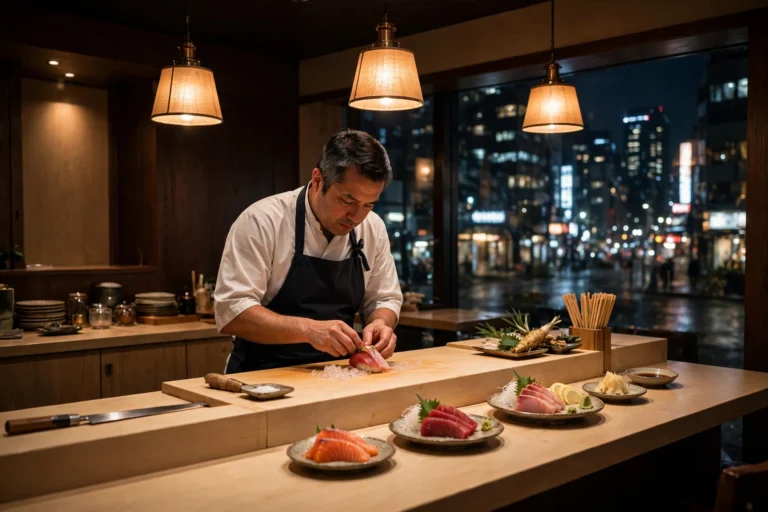
At Masa, chef Masa Takayama’s serene sushi counter in New York, the omakase is widely described as among the most expensive in America — the menu alone has long been reported in the high hundreds of dollars per person before drinks, tax, and service. What you are paying for is immediacy and rarity: fish flown in from Japan, prepared seconds after it is cut, in a room of pale hinoki wood where the chef’s calm choreography is the entertainment. The restaurant holds three Michelin stars. Phones and photos are famously discouraged; memory is the souvenir.
Best for: Sushi purists chasing America’s ultimate omakase
Urasawa — Los Angeles, United States
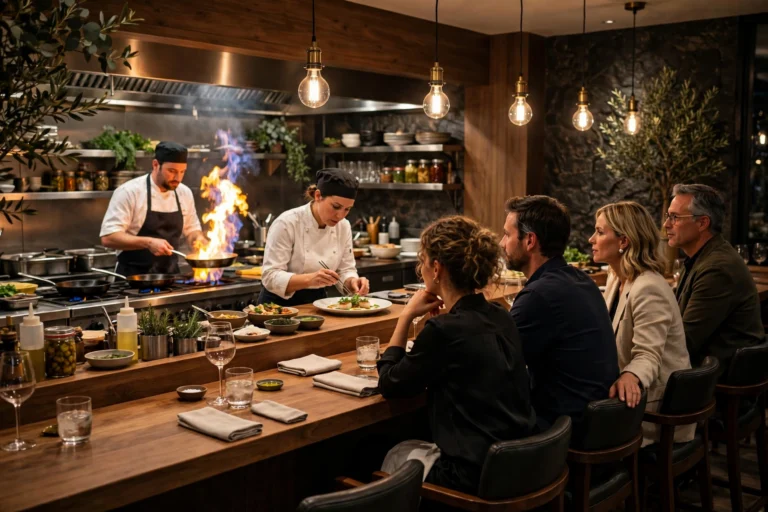
Chef Hiro Urasawa’s tiny counter in Beverly Hills serves only a handful of guests each night an omakase in the Japanese kaiseki-sushi tradition, and it has long been reported among the most expensive dinners in the United States, with the set menu alone running to several hundred dollars before drinks. Urasawa trained under Masa Takayama, and the lineage shows in the reverence for seasonal Japanese ingredients — prized fish, wagyu, and delicacies served course by unhurried course. Two Michelin stars in Los Angeles’s guide history underline the craft. Book far ahead; the counter is very small.
Best for: An intimate, reverent Japanese counter experience
Per Se — New York City, United States
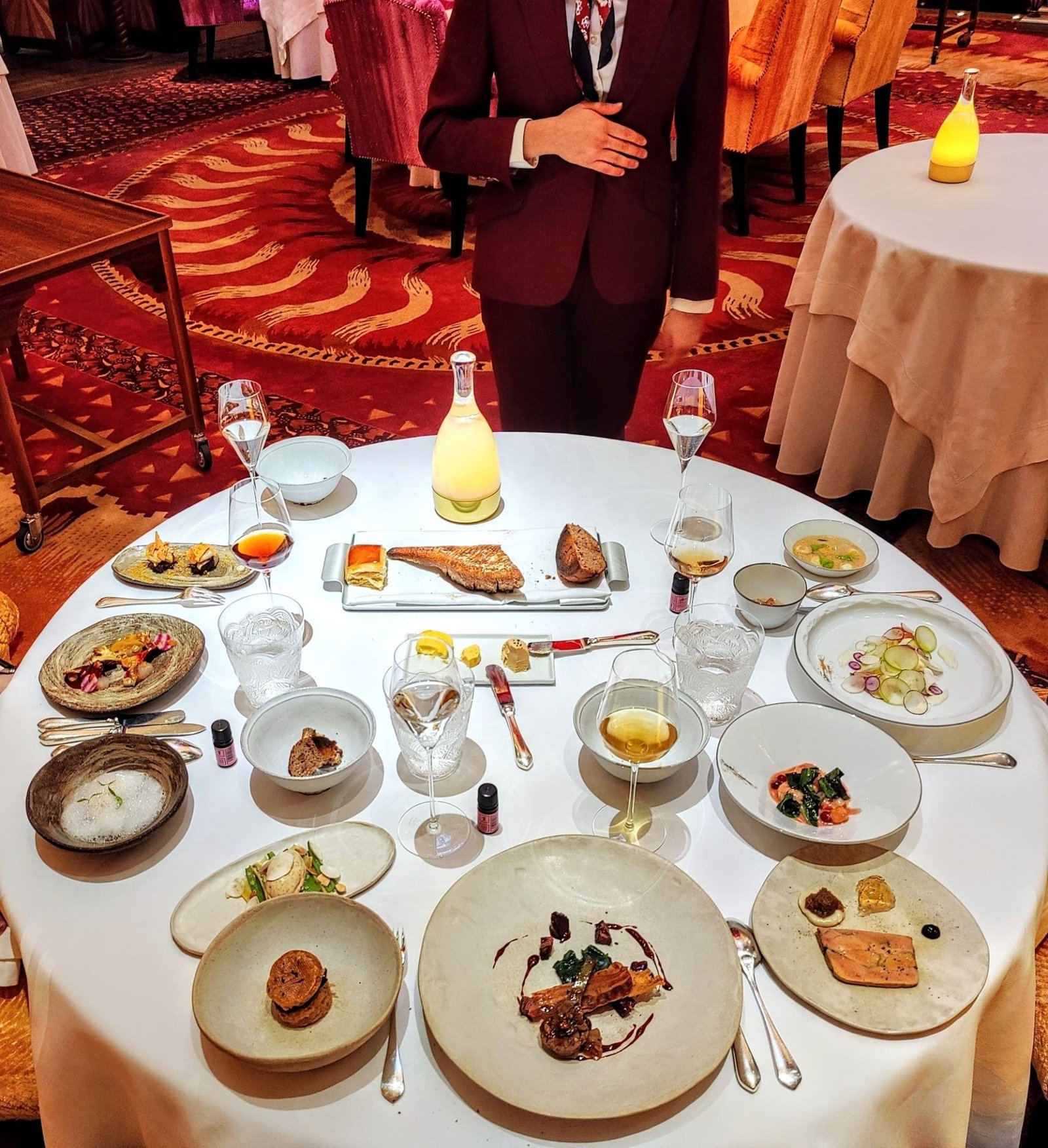
Thomas Keller’s Per Se, overlooking Columbus Circle, is the East Coast sibling of The French Laundry and one of America’s defining fine-dining rooms, holding three Michelin stars. Its tasting menus — including the famous “Oysters and Pearls” — are reported in the hundreds of dollars per person, rising considerably with wine pairings and supplements like caviar and truffles. Jackets, hush, and choreography: service here is a polished ballet around French-American cooking of extreme precision. It is a special-occasion institution, and priced like one in every respect.
Best for: A grand, formal American tasting-menu celebration
Sukiyabashi Jiro — Tokyo, Japan
Sukiyabashi Jiro, the tiny basement sushi counter in Ginza made world-famous by the film Jiro Dreams of Sushi, is spoken of with unusual reverence. Founded by Jiro Ono, who became a living symbol of the shokunin craftsman spirit, the counter serves an omakase reported in the tens of thousands of yen — expensive, yes, though here the legend and the near-impossibility of booking drive the fame as much as the price. A practical caution: the restaurant famously left the Michelin guide’s public listings after it stopped taking general reservations, so access typically comes through hotels or regulars.
Best for: Sushi history — if you can secure a seat

Kyoto Kitcho Arashiyama — Kyoto, Japan
Kyoto Kitcho Arashiyama is kaiseki at its most rarefied: a serene, traditional house in the Arashiyama district where chef Kunio Tokuoka’s multi-course seasonal menus are served in private tatami rooms overlooking a Japanese garden. It has held three Michelin stars, and its top kaiseki courses are widely reported among the most expensive in Japan, running to tens of thousands of yen per person. Every element — the room, the ceramics, the garden view, the pacing — is part of the meal. This is luxury expressed as quietness rather than spectacle.
Best for: Traditional kaiseki in a beautiful garden setting
Joël Robuchon — Las Vegas, United States
The late Joël Robuchon was the most Michelin-starred chef in history, and his namesake restaurant at the MGM Grand in Las Vegas remains the grandest expression of his empire — an opulent, purple-and-gold dining room serving French tasting menus reported in the hundreds of dollars per person, with the longest menus reaching higher still. Think bread trolleys, cheese trolleys, and classic French luxury — caviar, langoustine, wagyu — executed with legendary precision. Robuchon died in 2018, but his flagship restaurants continue under his teams; this remains a pilgrimage for lovers of haute cuisine.
Best for: Classic French luxury at its most polished
Alain Ducasse au Plaza Athénée Tradition — Paris, France
Alain Ducasse, one of the most decorated chefs in the world, built his Paris legend at the Plaza Athénée, where his restaurant long embodied the summit of French fine dining — three Michelin stars, a jewel-box dining room, and menus reported among the most expensive in Paris. The Ducasse story in Paris has evolved in recent years, with new concepts and collaborations following the Plaza Athénée chapter, so check what is currently offered before planning a trip. The tradition it represents — ingredient-led French haute cuisine at the very highest level — still defines expensive dining in the capital.
Best for: Understanding Parisian haute cuisine at its peak
The French Laundry — Yountville, United States
Thomas Keller’s The French Laundry, in a stone cottage in Napa Valley wine country, has been America’s most storied special-occasion restaurant for decades, holding three Michelin stars and a permanent place in dining history. The tasting menu is reported in the hundreds of dollars per person — before celebrated supplements and wine — and reservations, released in advance, are famously snapped up. Dishes like “Oysters and Pearls” and “Salmon Cornets” became modern classics here. The garden across the street supplies the kitchen; the sense of occasion supplies the rest.
Best for: The classic American fine-dining pilgrimage
How to Choose (and Book) Smart
Decide what kind of expensive you want. Sublimotion and Ultraviolet sell theatre and technology; Masa, Urasawa, and Jiro sell proximity to a master at a counter; Kitcho and The French Laundry sell serenity and tradition. Then be practical: confirm the current price directly, because at this level prices and formats change without much notice, and ask what is included — drinks, service, and supplements can transform the final bill. Book the moment reservations open, and keep a waitlist request polite and flexible. For more context on starred dining, explore our fine dining and Michelin guides.
Frequently Asked Questions
What is the most expensive restaurant in the world?
Sublimotion in Ibiza is the name most widely reported for that title, with its single-table immersive dinner reported at around €1,500 or more per person depending on the season and package. Ultraviolet in Shanghai is its closest conceptual rival. Rankings like this are informal — but those two names lead almost every serious discussion.
Why are these restaurants so expensive?
Small maths and rare inputs. When ten guests are served by dozens of staff, when fish is flown across the world, when a single ingredient like top-grade caviar or white truffle costs a fortune, and when years of training stand behind every course, the bill follows. You are also paying for scarcity itself — some of these rooms can only ever serve a few thousand people a year.
Is it worth it?
Honestly, that depends on what you value. If a meal can be one of the great experiences of a trip — the way a concert or a once-in-a-decade sporting event can — then diners who love this world generally say yes, at least once. If you mainly want delicious food without ceremony, the same money buys many wonderful meals elsewhere, and our homepage is full of them.
How far ahead do I need to book?
For the names on this list, think months, not weeks. Some release tables on a set date and sell out in minutes; others, like Sukiyabashi Jiro, effectively require an introduction or a top hotel concierge. Joining official waitlists and being flexible on dates genuinely improves your chances.
Are drinks included in these prices?
Usually not, or only partly. At several of these restaurants the headline figure covers food only, with wine pairings, sake, supplements, tax, and service added on top — which can raise the total substantially. Always ask for the all-in picture when you reserve.
Final Thoughts
The world’s most expensive restaurants are fascinating not because of the numbers, but because of what the numbers protect: vanishing crafts, impossible ingredients, rooms that seat ten people a night, and chefs who have spent lifetimes chasing perfection. Few of us will eat at all of them — but knowing what happens at the summit makes every level of dining more interesting.
If one day you do book a seat, go all in: arrive curious, ask questions, and let the theatre do its work. That, more than the caviar, is what people remember.

One Comment