Best Food Markets in Mexico City
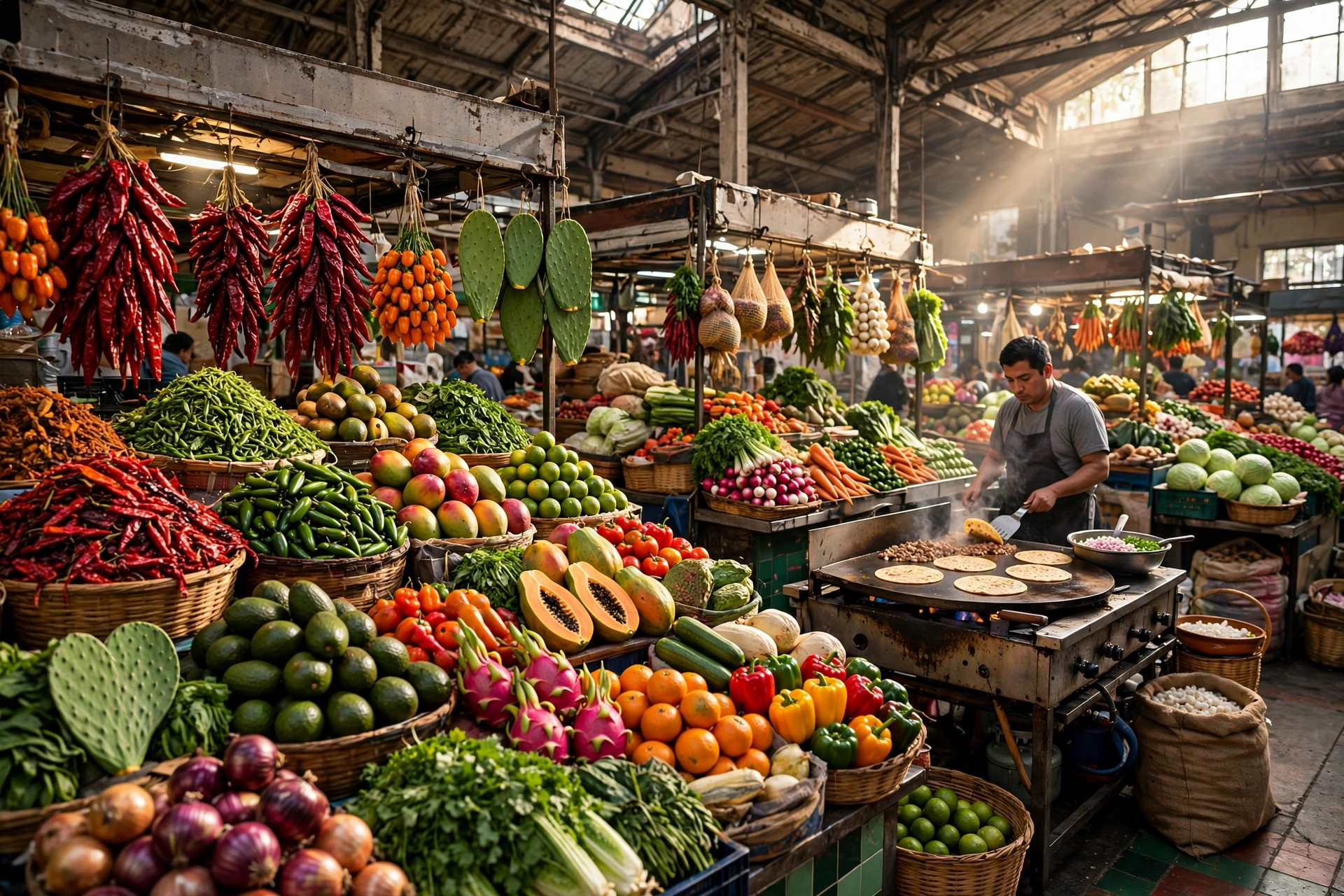
Mexico City is a market city. Every neighbourhood has one, and each market has its own smell, its own noise, and its own regulars who have shopped the same stall for thirty years. You can eat breakfast, buy dinner, and pick up flowers for the table in a single walk, all under one roof.
The markets below are not pretty tourist halls with a few souvenir stalls. They are working markets where cooks buy their chillies, families buy their tortillas, and visitors eat some of the best food in the city standing at a counter. That is exactly why they belong on this list.
Bring cash in small notes, arrive hungry, and go in the morning when the produce is fresh and the food stalls are at their best. Mexico City markets reward the early riser and the curious eater in equal measure.
What I love most is the sound. Vendors call out their prices, tortillas slap onto the griddle, and a radio plays somewhere in the back of every aisle. A Mexico City market is noisy in the best way, and the noise tells you the food is fresh and the day is going well.
How We Picked These Restaurants
We picked markets that locals shop at every week, not just markets with a nice sign. A great Mexico City market has fresh produce, a strong prepared-food section, and stalls that have been run by the same family for years. We looked for crowds in the morning, short menus at the food counters, and dishes cooked to order.
We wanted a spread across the city, from Coyoacán and Roma in the south and centre to La Merced and Jamaica in the east, and across the foods that define the capital: tacos, tamales, tlacoyos, birria, seafood, and mole. If a market is famous for one dish or one product, we name it and tell you where to find it inside.
One note before you start: prices are usually in pesos and cash is the norm at the food counters, so bring small notes and coins. A few stalls at Mercado Roma take cards, but the traditional markets run on cash, and a vendor will thank you for exact change.
The List: Best Food Markets in Mexico City to Try First
Twelve markets, twelve different sides of the city. You will not cover them all in one trip, and you should not try. Pick one per morning, eat well, and shop a little as you go.
1. Mercado de Coyoacán
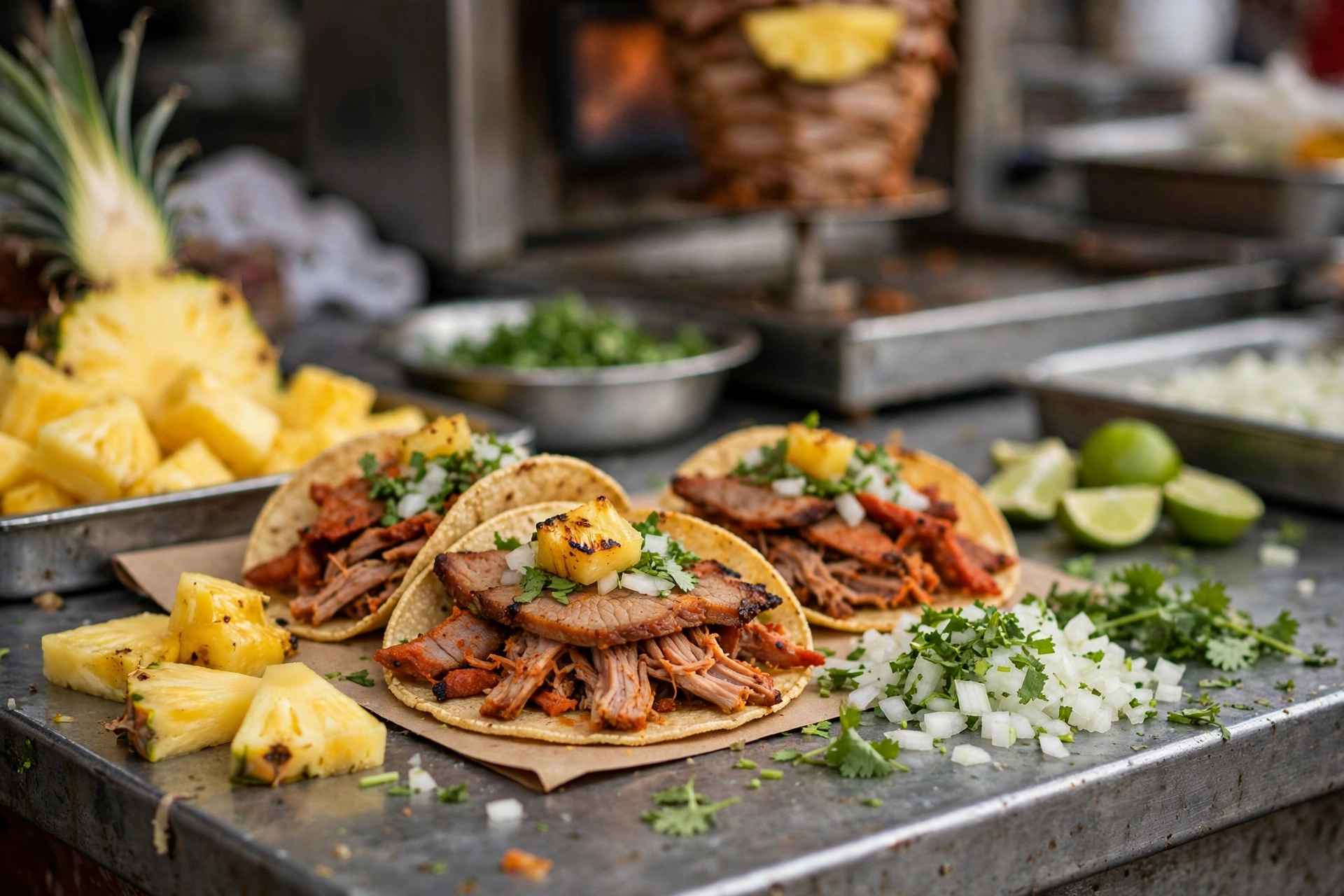
Mercado de Coyoacán, in the heart of the old colonial neighbourhood, is the market to visit first. Inside, food stalls serve tostadas, tamales, and tlacoyos to locals and visitors alike, while outside, the plaza fills with musicians and families. The tostada stalls near the entrance are the ones to look for, piled high with tuna, ceviche, and pata.
Come in the morning, eat a tostada or two, then wander the produce aisles for fruit you have never seen before. Coyoacán itself is worth a slow walk afterwards, with its quiet streets, blue house of Frida Kahlo nearby, and cafes that invite a long sit. The market is the start, not the whole morning.
2. Mercado Roma
Mercado Roma, on Querétaro street in the Roma Norte neighbourhood, is a modern gourmet hall in a restored building, and it is the easiest market for a first-timer. Dozens of small stalls sell tacos, ramen, burgers, mezcal cocktails, and pastries under one roof, with shared tables in the middle.
It is pricier than a traditional market, and the crowd skews young and stylish, but the food is solid and the range is wide. Order a taco or two from one stall, a drink from another, and a dessert from a third. It is a good lunch stop if you want variety without walking across the city.
3. Mercado de San Juan
Mercado de San Juan, near the Alameda in the centre, is the gourmet market of Mexico City, famous for exotic ingredients and fine produce. Stalls sell wild mushrooms, edible insects, imported cheeses, and seafood that top restaurants buy each morning. The food counters inside serve dishes made from the same ingredients.
Walk the aisles slowly, taste a sample when it is offered, and talk to the vendors, who love to explain what they sell. Order lunch at one of the small counters, try something you have never eaten before, and leave with a bag of chillies or cheese for later.
4. Mercado de la Merced
Mercado de la Merced, east of the historic centre, is one of the largest markets in the city, and one of the most intense. Aisles stretch for blocks, selling everything from dried chillies and mole pastes to religious candles and party supplies. The food section serves hearty, cheap meals to the traders and workers who keep the market running.
Go in the morning, stay in the main food aisles, and keep your bag close. Order a plate of birria or a taco from a busy stall, eat quickly, and take in the scale of the place. La Merced is not polished, and that is the point: it is Mexico City at full volume.
5. Mercado de Jamaica
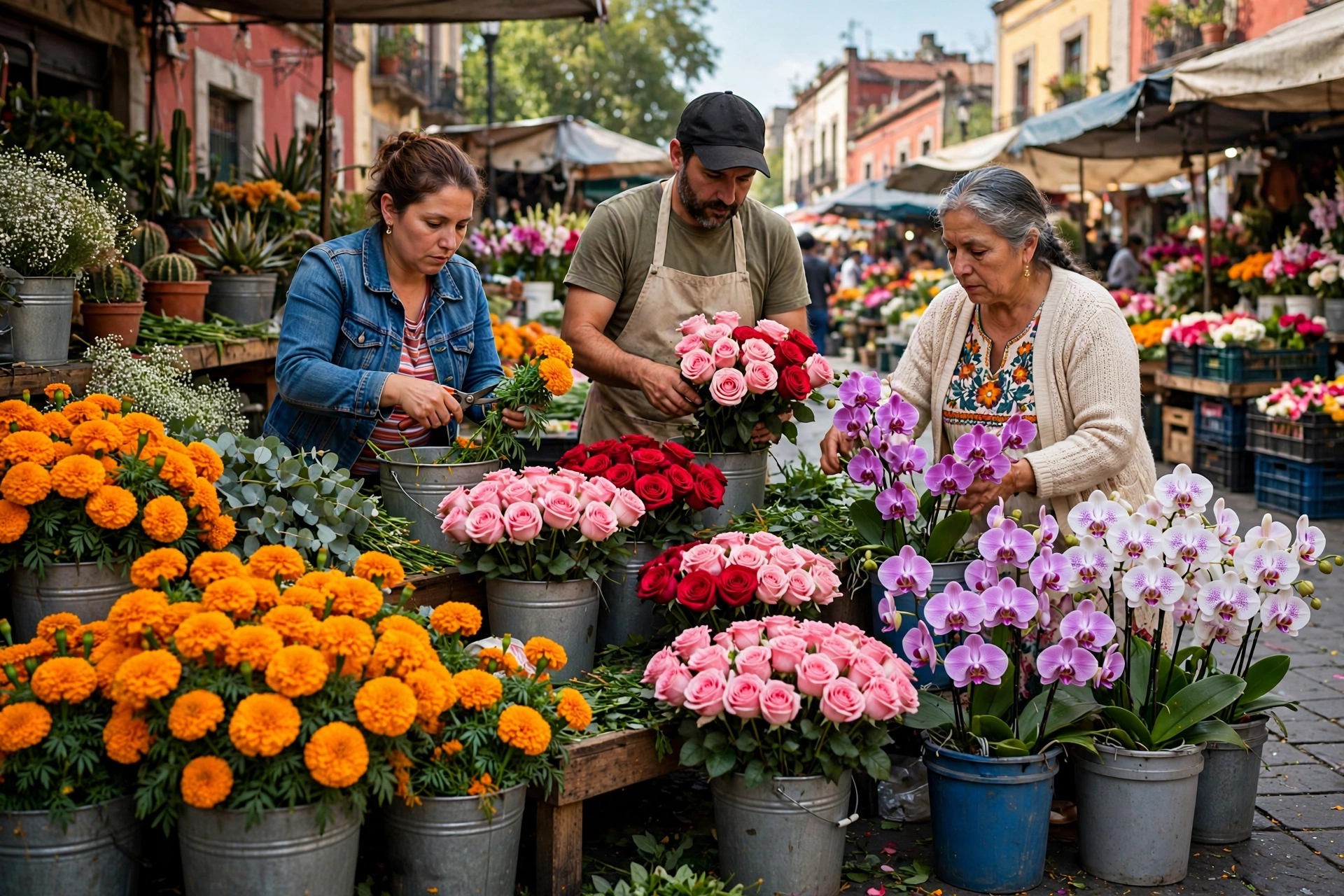
Mercado de Jamaica, south of the centre, is the flower market of Mexico City, and it is worth a visit for the colour alone. Hundreds of stalls sell roses, marigolds, orchids, and plants, and the scent hits you from the street. The food stalls at the edges serve simple, filling breakfasts to the flower sellers.
Come early, when the flowers are fresh and the market is at its busiest, and pick up a bunch for your room. Eat a tamale or a quesadilla from a stall near the entrance, then walk the flower aisles slowly. It is a calm, bright start to a day in the city.
6. Mercado Medellín
Mercado Medellín, in Roma Sur, is known as the little Havana of Mexico City, with Cuban, Colombian, and Venezuelan stalls alongside Mexican ones. Arepas, Cuban sandwiches, and tropical fruit sit next to tacos and tamales, and the produce aisles stock plantains, yuca, and fruits you will not find in every market.
Order an arepa from a Venezuelan stall, add a fresh juice, and browse the Latin American groceries. The market is smaller and calmer than La Merced, and the mix of cultures makes it a fun stop. It is a good lunch market, especially on a weekday.
7. Mercado de Mixcoac
Mercado de Mixcoac, in the quiet neighbourhood of the same name, is a neighbourhood market in the best sense: small, friendly, and full of regulars. Food stalls serve barbacoa on weekends, tlacoyos during the week, and fresh juices every morning. The produce is fresh, the prices are fair, and the vendors remember their customers.
Come for a slow breakfast, order a tlacoyo with beans and cheese, and watch the neighbourhood shop around you. Mixcoac is off the main tourist trail, and the market feels like a reward for wandering a little further. It is a fine place to eat like a local for an hour.
8. Mercado de San Ángel
Mercado de San Ángel, in the old colonial neighbourhood of San Ángel, is a small market with a strong food section and a lovely setting. Stalls serve tacos, tamales, and pozole, and the cobbled streets outside fill with an art market on Saturdays. The neighbourhood itself, with its quiet plazas and old houses, is worth the trip.
Visit on a Saturday morning, eat at the market, then walk the art stalls and the streets around the plaza. Order a pozole if it is on, add a fresh juice, and take your time. San Ángel moves slower than the centre, and the market matches that pace.
9. Mercado de Xochimilco
Mercado de Xochimilco, in the southern canal district, is the market to pair with a boat ride on the trajineras. Inside, stalls sell produce from the chinampas, the floating gardens, along with flowers, tamales, and tlacoyos. The food is simple, fresh, and tied to the land and water around it.
Come in the morning, eat a tlacoyo or a tamale, buy some flowers, then head to the canals for a boat ride. The market is less polished than Roma or Coyoacán, and that is part of its charm. It shows a side of Mexico City that many visitors never see.
10. Mercado de Tlatelolco
Mercado de Tlatelolco, near the Plaza de las Tres Culturas, is a big neighbourhood market with a strong prepared-food section. Stalls serve tacos de canasta, tamales, and birria to workers and families, and the produce aisles are full of fresh fruit, vegetables, and herbs. The square outside, with its Aztec ruins and colonial church, is one of the most historic spots in the city.
Visit in the morning, eat at a busy food counter, then walk the plaza and the ruins. The market is not a tourist stop, and the food is priced for the neighbourhood, which keeps it honest and good. It is a fine way to see the layers of Mexico City in one place.
11. Mercado de la Lagunilla
Mercado de la Lagunilla, north of the centre, is famous for its Sunday market, when the streets fill with antiques, clothes, and food stalls. On Sundays, the whole area becomes a sprawling open-air market, with tacos, tlacoyos, and drinks sold from carts and counters. The weekday market is smaller and calmer, but the Sunday version is the one to plan for.
Go on a Sunday morning, eat as you walk, and browse the antiques with a taco in hand. Keep your belongings close, as the crowds are thick. Lagunilla is loud, chaotic, and fun, and the food stalls keep the whole market fuelled.
12. Mercado de Azcapotzalco
Mercado de Azcapotzalco, in the northwest of the city, is a classic neighbourhood market with a loyal local crowd. Food stalls serve barbacoa, carnitas, and tamales, and the produce section is known for fresh, well-priced fruit and vegetables. The market is not on most tourist lists, which is exactly why the food stays good and the prices stay fair.
Come for breakfast on a weekend, order barbacoa tacos with consomé, and eat at the counter. The neighbourhood around the market is quiet and residential, and a walk after eating is a pleasant way to see a different side of the capital. It is a market for the curious, not the hurried.
How to Choose Your Next Meal
Pick by neighbourhood and by day. Coyoacán and San Ángel suit a slow Saturday morning, Roma and Medellín suit a weekday lunch, and La Merced and Lagunilla suit an early start when you want the full market rush. Trying to visit three markets in one morning will leave you full and rushed, so pick one and do it well.
Bring cash, eat where the locals queue, and ask the vendor what is fresh today. Best Tacos in Los Angeles shows how Mexican food travels, but the tacos in a Mexico City market are the original, and they taste like it. Drink bottled water, go easy on the salsa if you are new to it, and say yes when a vendor offers a sample.
Buy a little as you eat. A bag of dried chillies, a jar of mole paste, or a bunch of flowers makes a good souvenir, and it supports the same stalls that fed you. Markets are for eating and shopping, and the best visits do a bit of both.
One more thing worth knowing: many markets have clean restrooms near the entrance, usually for a small fee, and most have an ATM nearby. Plan a restroom stop before you settle in for a long breakfast, and keep your phone in a front pocket in the busiest aisles.
Frequently Asked Questions
What is the best food market in Mexico City?
Mercado de Coyoacán is the best first visit, with great food stalls and a lovely neighbourhood. Mercado Roma is easiest for variety, and Mercado de San Juan is best for gourmet ingredients and a special lunch.
What should I eat at a Mexico City market?
Order tacos, tamales, tlacoyos, and tostadas from the food counters, and try birria or pozole where it is on the menu. Best Mexican Restaurants in the World puts these dishes in a wider context, but the market versions are the ones to taste first.
Are Mexico City markets safe for visitors?
Yes, the markets on this list are safe in the daytime if you stay aware, keep your bag close, and stick to the main aisles. La Merced and Lagunilla are busier, so go in the morning and avoid flashing valuables.
How much does food cost at a Mexico City market?
Most market dishes cost 30 to 120 pesos, so a full meal often stays under 200 pesos per person. Mercado Roma costs more, usually 200 to 400 pesos, while La Merced and Tlatelolco are among the cheapest.
What time do Mexico City markets open?
Most markets open by 8 am and are busiest in the morning. Food stalls sell out by early afternoon, so arrive before 10 am for the best choice, especially on weekends.
If you only have one morning, go to Coyoacán, eat tostadas, buy fruit, and walk the plaza. One market, one slow morning, and a real sense of how Mexico City feeds itself every single day.
Conclusion
Mexico City markets are where the city eats, shops, and meets, all at once. A tostada in Coyoacán, a taco in La Merced, a flower bunch in Jamaica, and a quiet breakfast in Mixcoac: each market tells you something different about the capital, and none of them needs a reservation.
Start with one market per morning, eat what the stall is known for, and buy a little to take home. For another city that eats this well at street level, Best Street Food in Bangkok is a fine next read. Go early, bring cash, and leave hungry in the best way: full, but already planning the next market.