Famous Food in New Orleans: Dishes You Have to Try
Ask anyone who has travelled to New Orleans what they remember most, and the answer is rarely a landmark — it is a meal. The famous food in New Orleans is a glorious mix of French, African, Spanish and Caribbean influences, simmered together over centuries into something you simply cannot find anywhere else.
This guide gathers the dishes that built the city’s reputation, and the places most closely tied to each one. If you enjoy exploring world famous food dishes, consider this your essential New Orleans chapter: twelve classics, honestly described, with no hype and no invented history.

How We Picked These Restaurants
We started with the dishes themselves, then asked which restaurant each dish is genuinely inseparable from — the place that created it, perfected it, or has served the definitive version for generations. Where a dish belongs to the whole city rather than one kitchen, we have said so plainly instead of forcing a single address onto it.
- Reputation: Every pick is a long-established name that New Orleans diners themselves recommend, not a passing social media trend.
- Food quality: We favoured places known for doing one thing exceptionally well, often for decades, using proper technique and fresh Gulf ingredients.
- Consistency: These kitchens are widely praised for serving the same beloved dish, to the same standard, year after year.
- What real diners say: We weighed the honest caveats too — the queues, the cash-only counters, the limited hours — so there are no surprises.
The Famous Dishes to Try in New Orleans
Gumbo — Dooky Chase’s Restaurant
Dooky Chase’s in Tremé has been serving Creole cooking since 1941, and its gumbo is the bowl many locals measure others against. It is dark, deeply flavoured and generous, built on a proper roux and loaded with sausage, chicken and seafood depending on the day and the season. The late Leah Chase, the restaurant’s beloved chef, turned the dining room into a meeting place for artists, musicians and civil rights leaders. The vibe is warm and unhurried, more family table than tourist stop. Honest caveat: hours can be limited, so check before you travel across town.
Best for: A soulful, sit-down introduction to real Creole cooking
Beignets — Café Du Monde
Café Du Monde has been serving beignets and café au lait in the French Market since 1862, and the ritual has barely changed. The beignets arrive as hot, pillowy squares of fried dough under a small snowfall of icing sugar, best eaten within minutes while the chicory coffee is still steaming. It is open-air, unpretentious and joyful, with powdered sugar on every table and usually on every shirt too. The vibe is pure New Orleans theatre. Honest caveat: expect a queue at peak hours, and do not wear black — the sugar gets everywhere.
Best for: A first-morning-in-the-city ritual
Po’boys — Parkway Bakery & Tavern
Parkway Bakery & Tavern, a neighbourhood institution near Bayou St. John dating back to 1911, is where many locals send you for a definitive po’boy. The signature move is the roast beef po’boy, dressed and dripping with gravy, though the fried shrimp and oyster versions have devoted followings of their own. Portions are generous, the bread has the proper crackly crust, and the room feels like a family party that never quite ended. Honest caveat: it gets very busy at lunch, and the gravy-soaked roast beef is gloriously messy — grab extra napkins.
Best for: The classic, gravy-drenched roast beef po’boy
Muffuletta — Central Grocery
The muffuletta was created at Central Grocery, the Italian grocery on Decatur Street founded by Salvatore Lupo in 1906, and the shop is still the reference point for this mighty sandwich. A whole round loaf is layered with cured meats, provolone and the family’s famous chopped olive salad, which soaks into the bread and perfumes every bite. It is salty, rich and unmistakably Sicilian by way of New Orleans. The vibe is old-school deli counter, wonderfully unchanged. Honest caveat: a whole muffuletta is enormous and easily feeds two to four people, so order accordingly.
Best for: A picnic sandwich with genuine history
Jambalaya — Mother’s Restaurant
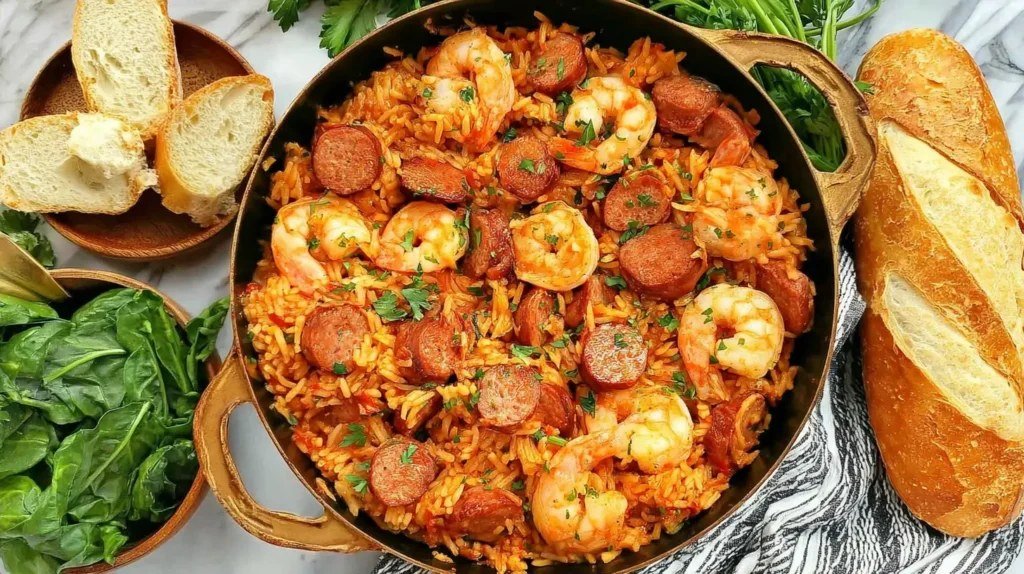
Jambalaya belongs to Louisiana as a whole, but Mother’s Restaurant, a beloved cafeteria-style institution on Poydras Street since 1938, serves one of the versions visitors and locals return to most. Theirs is a hearty, tomato-tinged rice dish packed with sausage, chicken and ham, cooked down until every grain carries the flavour of the pot. Mother’s is equally famous for its baked ham and old-fashioned, no-frills service. The vibe is bustling, friendly and gloriously unpolished. Honest caveat: the queue often stretches out of the door at lunch, though it moves faster than it looks.
Best for: Hearty, old-fashioned Louisiana comfort food
Crawfish Étouffée — Bon Ton Café
Bon Ton Café, serving downtown New Orleans since the 1950s in one of the city’s oldest restaurant buildings, is widely credited with helping introduce crawfish étouffée to restaurant menus. The dish itself — crawfish tails smothered in a rich, buttery roux-based sauce and served over rice — is Cajun comfort at its finest, and Bon Ton’s version is the one generations of diners describe with real affection. The dining room is warm brick and white tablecloths, old New Orleans to its bones. Honest caveat: crawfish is seasonal, so the finest versions appear in spring.
Best for: A classic, white-tablecloth taste of Cajun tradition
Bananas Foster — Brennan’s
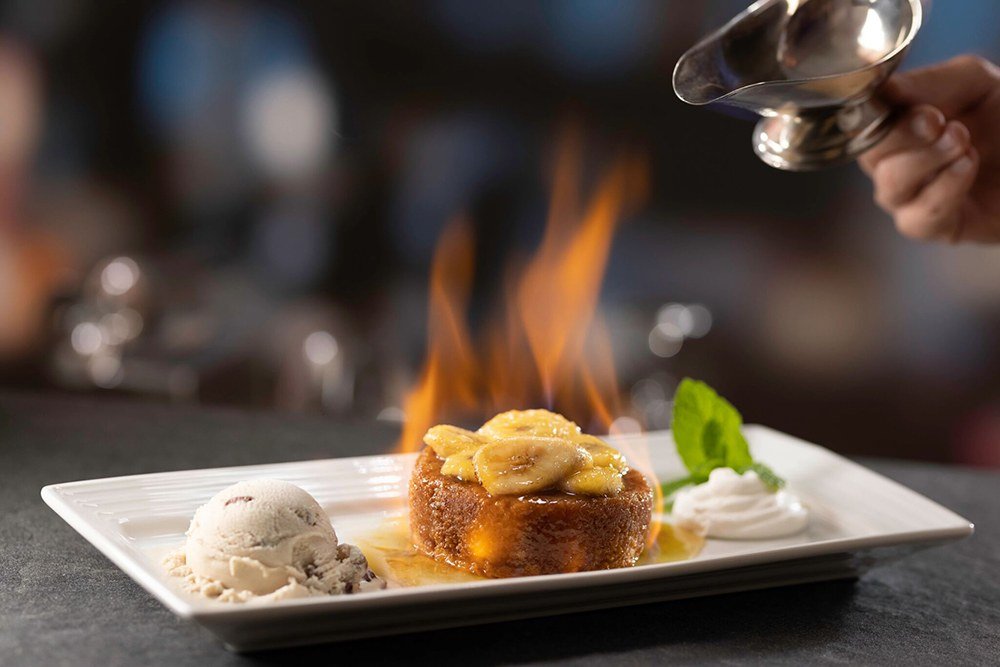
Bananas Foster was created at Brennan’s in 1951, when chef Paul Blangé devised the dish and named it after Richard Foster, a friend of owner Owen Brennan. Bananas are caramelised in butter, brown sugar and cinnamon, flambéed with rum at the table, and spooned over vanilla ice cream in a burst of flame and theatre. Brennan’s elegant Royal Street dining room, all soft pink and old-world polish, is still the definitive place to order it. Honest caveat: it is sweet and rich in the best way — share one between two if you have eaten well.
Best for: Tableside theatre and a true original dessert
Oysters Rockefeller — Antoine’s
Oysters Rockefeller was created at Antoine’s, the grand French-Creole institution founded in 1840, by Jules Alciatore — most accounts date the dish to 1899, though some say a decade earlier. Oysters on the half shell are topped with a secret, vividly green herb sauce and breadcrumbs, then baked until bubbling; the original recipe remains closely guarded to this day. It was named for John D. Rockefeller, a nod to the richness of the sauce. The vibe is formal, historic and quietly proud. Honest caveat: this is old-school fine dining, so dress and book accordingly.
Best for: A taste of edible history in a grand dining room
Turtle Soup — Commander’s Palace
Commander’s Palace, the turquoise Garden District landmark dating to 1893, serves the turtle soup against which all others in the city are judged. It is a dark, deeply savoury soup in the Creole tradition, finished at the table with a splash of sherry, and it has anchored the restaurant’s menu through generations of celebrated chefs. The dining rooms are elegant without being stiff, and the service is famously warm. Honest caveat: turtle soup is a traditional, old-fashioned dish and not for everyone — but as a piece of living food history, it is hard to beat.
Best for: A landmark fine-dining experience with Louisiana soul
Blackened Redfish — K-Paul’s Louisiana Kitchen
Blackened redfish is included here as a legacy dish, because its home no longer exists: chef Paul Prudhomme popularised blackening at K-Paul’s Louisiana Kitchen, the French Quarter restaurant he opened with his wife Kay in 1979. A redfish fillet coated in spices and seared fiercely in a hot pan became a national sensation in the 1980s and changed American menus forever. Prudhomme died in 2015, and K-Paul’s closed permanently in 2020. You will find blackened fish all over New Orleans today — every version owes him a debt.
Best for: Understanding where a nationwide flavour craze began
King Cake — Gambino’s Bakery
King cake is a Carnival-season tradition rather than one restaurant’s invention: a braided, cinnamon-scented ring, iced in purple, green and gold, with a tiny baby hidden inside for luck. Gambino’s Bakery, a New Orleans institution since 1949, is one of the names locals argue about most passionately — in a city where everyone has a favourite bakery, that loyalty says everything. Their king cakes are soft, generous and shipped across the country each Mardi Gras season. Honest caveat: the season runs from Twelfth Night to Mardi Gras, so outside those weeks, availability is limited.
Best for: Experiencing Mardi Gras season like a local
Bread Pudding with Whiskey Sauce — A New Orleans Tradition
Bread pudding began as a thrifty way to use up stale French bread, and New Orleans turned it into a celebration: custardy, warmly spiced pudding studded with raisins, drowned in a buttery whiskey sauce. You will find a version on menus all over the city, from old Creole dining rooms like Bon Ton Café and Commander’s Palace to neighbourhood bistros, and locals happily debate whose sauce is best. If you love dishes with a story, it sits proudly alongside other famous restaurant signature dishes that outgrew the kitchens where they began. Honest caveat: portions are rarely small.
Best for: A warm, comforting end to a big Creole dinner
A Hidden Gem Worth the Trip
Hansen’s Sno-Bliz, founded in 1939 by Ernest Hansen — who built his own ice-shaving machine — serves the original New Orleans sno-ball: ice shaved so fine it eats like fresh snow, soaked in homemade syrups in flavours from satsuma to cream soda. Mary Hansen’s motto, that there are no shortcuts to quality, still guides the family-run shop on Tchoupitoulas Street. It is cash-era charm, summer queues and pure nostalgia in a cup. Go on a hot afternoon, order nectar cream, and thank us later.
Frequently Asked Questions
What is the most famous food in New Orleans?
Gumbo is probably the single most famous, with beignets a very close second. Together they sum the city up: one a slow, communal pot shaped by many cultures, the other a simple fried pastry turned into a beloved daily ritual.
When is crawfish season in New Orleans?
Crawfish season generally runs from late winter into early summer, with spring widely considered the peak. Étouffée and boils are at their best then, though many restaurants serve crawfish dishes beyond the peak months.
How much should I budget for these dishes?
Prices vary widely, so treat any figure cautiously. Casual classics like beignets and po’boys are generally among the city’s affordable pleasures, while grand dining rooms such as Antoine’s and Commander’s Palace sit at the higher end. Check current menus before you go.
Do I need reservations at these places?
For the fine-dining institutions, yes — booking ahead is strongly advised, especially at weekends and during festivals. Casual spots like Café Du Monde and Parkway generally work on queues rather than bookings, so arriving early or off-peak helps.
What should a first-time visitor order first?
Start with beignets and café au lait in the morning, a po’boy or muffuletta for lunch, and gumbo at dinner. That single day gives you the city’s greatest hits — and leaves jambalaya, étouffée and Bananas Foster for day two.
Final Thoughts
New Orleans does not really do food trends; it does traditions, perfected over generations and served with genuine pride. Every dish on this list carries a story — of immigrant grocers, pioneering chefs and family dining rooms that refused to cut corners.
Come hungry, pace yourself, and do not skip dessert. The city has been feeding people beautifully for a very long time, and it shows in every single bite.