
Best Restaurants in Paris: Bistros, Bakeries and Fine Dining
Asking for the best restaurants in Paris can start an argument in any Parisian kitchen, and honestly, that argument is half the fun. This is a city where a three-star palace dining room, a hundred-year-old bouillon serving dinner for the price of a sandwich elsewhere, and a tiny bakery with a morning queue all compete for your appetite — and all of them might deserve to win on the right day.
So this list refuses to choose just one Paris. You will find the great temples of French gastronomy here, yes, but also the crêperie, the bakery and the packed neo-bistro that Parisians actually book for their own birthdays. Pick by mood and budget, reserve the famous names early, and leave at least one meal unplanned — Paris rewards wanderers who follow a good smell down a side street.

How We Picked These Restaurants
Paris has more celebrated restaurants than any list can hold, so we narrowed it down with a few firm rules. Every pick had to be genuinely rooted in the city — the kind of place chefs, critics and well-fed locals mention without hesitation — and still cooking at the level that made its name. We balanced the grand and the everyday on purpose, because a visitor who only books tasting menus misses the Paris of bouillons, bakeries and market streets, and a visitor who only eats cheaply misses one of the great fine-dining capitals of the world.
- Long-standing reputation with critics, guides and Parisian regulars alike
- A clear signature — a dish, a room or an idea the restaurant owns
- Consistency across years, not one fashionable season
- Range across budgets, so every reader can actually eat from this list
The Best Restaurants in Paris to Book Now
Arpège — Paris, France
Arpège is Alain Passard’s three-Michelin-star dining room near the Invalides, and the restaurant that changed what fine dining could be when Passard took red meat off the menu in the early 2000s and put vegetables — grown in his own gardens outside Paris — at the centre of the plate. What sounds austere is anything but: a beetroot baked in salt crust or a humble onion arrives tasting like a luxury ingredient, cooked with three-star precision and a poet’s touch. The small, calm room fills with regulars, prices are firmly in special-occasion territory, and booking ahead is essential. It remains essential for anyone curious about where French cooking went next.
Best for: A landmark vegetable-led tasting menu
Le Cinq — Paris, France
Le Cinq, the flagship dining room of the Four Seasons Hotel George V just off the Champs-Élysées, is grand-hotel Paris at full volume: soaring ceilings, grey and gold elegance, extravagant flower arrangements and Christian Le Squer’s three-Michelin-star cooking on the plate. Le Squer, one of France’s most decorated chefs, builds menus around impeccable French technique and big, generous flavours rather than tricks — his spaghetti-in-a-box reimagined as haute cuisine is the stuff of legend among regulars. Service is formal but genuinely warm, and lunch menus have traditionally offered a (relatively) gentler way into a very expensive room. Book it for a milestone.
Best for: A classic palace-hotel celebration dinner
Guy Savoy — Paris, France
Guy Savoy’s restaurant inside the Monnaie de Paris, overlooking the Seine, is French gastronomy delivered with a smile — Savoy is as famous for his warmth and love of pleasure as for his cooking. His signature artichoke soup with black truffle, served with toasted mushroom brioche for dipping, is one of the great dishes of modern French cuisine. Honestly noted: the restaurant held three Michelin stars for two decades before Michelin moved it to two stars in 2023, a decision that made headlines across France. Diners and guides still rank it among the world’s finest rooms, and the cooking — luxurious, joyful, deeply French — remains as ambitious as ever.
Best for: Joyful, classic French haute cuisine
Epicure — Paris, France
Epicure is the three-Michelin-star restaurant of Le Bristol hotel on the Rue du Faubourg Saint-Honoré, a bright, garden-facing salon that has embodied Parisian luxury dining for years. The kitchen changed hands in 2024, when Arnaud Faye succeeded Éric Frechon after Frechon’s long and celebrated tenure — and Epicure kept its three stars through the transition, which tells you plenty about the depth of the house. Expect classical French luxury executed with a lighter modern hand: signatures over the years have included stuffed macaroni with black truffle and the famous Bresse chicken. It is formal, serene and very expensive — the full palace experience, done properly.
Best for: Timeless luxury dining in a palace hotel
Septime — Paris, France
Septime, Bertrand Grébaut’s one-Michelin-star restaurant in the 11th arrondissement, is the name every food lover in Paris mentions when you ask where the locals would book for themselves. The room is relaxed — wood, stone, an open, friendly energy — and the surprise tasting menu delivers inventive, produce-led cooking at prices well below the palace dining rooms, which is exactly why tables are famously hard to get. Reservations open a few weeks ahead and vanish quickly, so set an alarm and be flexible. If you miss out, its sibling spots soften the blow, but Septime itself is worth the effort: this is modern Paris eating at its happiest.
Best for: The hardest-working reservation in Paris
Le Train Bleu — Paris, France
Le Train Bleu sits inside the Gare de Lyon like a palace that wandered into a railway station: a Belle Époque dining room from 1900 with gilded mouldings, frescoed ceilings and chandeliers everywhere. Come for the room first, then stay happily for the traditional French menu — roast leg of lamb carved from the trolley, rum baba with plenty of ceremony, and waiters who have performed this lovely theatre for years. It is popular with tourists, yes, and priced like a famous room rather than a station café, but the spectacle is real and the cooking is honest. Book ahead and arrive a little early to look around.
Best for: Dinner inside a Belle Époque masterpiece

Bouillon Chartier — Paris, France
Bouillon Chartier has been feeding Paris since 1906 in a soaring, mirrored Belle Époque hall in the 9th arrondissement, and it remains the city’s great democratic dining room: three courses of classic French cooking — escargots, duck confit, rum baba — for prices that feel like a misprint next to the rest of this list. There are no reservations and often a queue down the street, but it moves fast, tables are shared cheerfully, and waiters in traditional dress write your order on the paper tablecloth. The food is simple rather than refined, and that is precisely the point. Every visitor should experience it once.
Best for: Classic French food at wonderfully low prices
Du Pain et des Idées — Paris, France
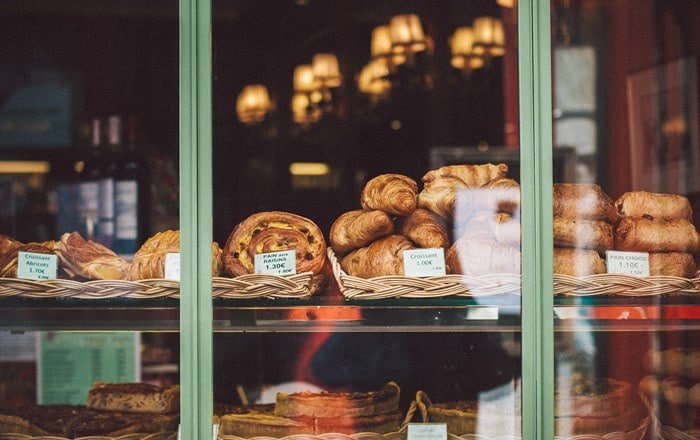
Du Pain et des Idées, Christophe Vasseur’s bakery near the Canal Saint-Martin, is regularly named among the best bakeries in Paris — which, given the competition, is saying something serious. Vasseur revived slow, old-fashioned methods: long fermentations, superb flour and bread with a deep, dark, crackling crust, most famously the thick-sliced “pain des amis” loaf. Then there are the escargot-shaped viennoiseries, especially the pistachio-chocolate one, which people cross the city for. It is a bakery, not a restaurant — expect a queue, standing-room tasting outside, and weekend closures that catch visitors out. Go on a weekday morning and thank yourself.
Best for: Bread and pastries worth crossing Paris for
Breizh Café — Paris, France
Breizh Café, in the Marais with a handful of Paris addresses now, reinvented the humble crêpe by treating it like fine produce cooking: organic buckwheat galettes with proper Breton butter, quality eggs, ham, cheese and seasonal fillings, plus delicate sweet crêpes and a serious list of artisanal ciders served in traditional bowls. The complete galette here is a lesson in how good simple things can be. It is casual, bright and family-friendly, and the honest caveat is popularity — expect a wait at weekend lunchtimes near the Marais original. For a light, affordable and very Parisian lunch between museum visits, it is hard to beat.
Best for: The best crêpes and galettes in the city
Frenchie — Paris, France
Frenchie began as Grégory Marchand’s tiny restaurant on the Rue du Nil and grew into a little constellation — the original dining room, a wine bar across the street, and more — that helped define modern Paris bistronomy. Marchand, who cooked in London and New York before coming home (his nickname, “Frenchie,” came from Jamie Oliver’s kitchen), serves precise, market-led French cooking with international ease in a stone-walled room that stays relaxed rather than reverent. The Michelin-starred original books up fast; the bar à vins across the road takes the overflow beautifully, with no reservations and small plates worth queuing for.
Best for: Modern bistronomy in a food-lover’s street
Table by Bruno Verjus — Paris, France
Table is Bruno Verjus’s two-Michelin-star restaurant in the 12th arrondissement, built around a counter facing an open kitchen and a philosophy you can taste: extraordinary produce, cooked simply and precisely, with almost nothing wasted. Verjus came to cooking from a first career as a food writer and blogger, and his obsession shows in the sourcing — a single perfect fish, vegetables treated like treasure, chocolate worked into both savoury and sweet courses in ways that somehow make complete sense. Seats are few, the experience is intimate and chef-led, and prices reflect two-star Paris. Book well ahead, sit at the counter, and let the kitchen tell the story.
Best for: An intimate, produce-obsessed counter dinner
A Hidden Gem Worth the Trip
If the famous names are all booked, do what Parisians do: follow the bistronomy trail into the neighbourhood restaurants of the 11th and 12th arrondissements, where young chefs trained in three-star kitchens cook ambitious set lunches in small, unpretentious rooms at half the palace price. Menus change with the market, English is happily spoken more often than the stereotype suggests, and a weekday set lunch is the single best-value serious meal in Paris. Ask your hotel, check recent guide listings the week you travel, and book the small place with the short menu — that formula rarely disappoints in this city. Planning a hop across the Channel next? Our London restaurant guide takes the same honest approach.
Frequently Asked Questions
How far in advance should I book restaurants in Paris?
For three-star rooms and Septime, book as soon as reservations open — often four to eight weeks ahead for the most famous names, and longer for a Friday or Saturday night. Traditional bistros and bouillons are easier; Bouillon Chartier takes no reservations at all. Lunch is almost always simpler to secure than dinner, and palace restaurants sometimes release their best-value menus at midday.
How much does dinner at a top Paris restaurant cost?
Tasting menus at three-star level commonly run into the several hundreds of euros per person before wine, while a set lunch at a starred neo-bistro can be a fraction of dinner. At the other end, a full meal at Bouillon Chartier or crêpes at Breizh Café costs little more than a casual meal anywhere. Paris genuinely spans every budget — plan one splurge and eat happily around it.
What is the tipping etiquette in Paris restaurants?
Service is included in French menu prices by law — you will see “service compris” — so a large tip is not expected the way it is in the United States. That said, leaving a few euros in cash for good service, or rounding up generously at a special meal, is a much-appreciated Parisian habit. At cafés, small change on the table is perfectly normal.
Do Paris restaurants cater to English speakers?
In the famous dining rooms and most central bistros, yes — menus in English are common and staff are used to international guests, especially in the restaurants on this list. Learning a warm “bonjour” before anything else still matters enormously in France; it is the key that unlocks the city’s famous hospitality. Smaller neighbourhood spots may be French-only, which a translation app handles easily.
What should I eat first if I only have two days in Paris?
Day one, go classic: a bouillon or bistro lunch, then one great fine-dining dinner. Day two, go to the sources — bread and pastries from a top bakery in the morning, crêpes for lunch, and a bistronomy set menu at night. That pattern covers more of real Paris than chasing stars alone. Browse our city guides for the same approach in other food capitals.
Final Thoughts
Paris earns its reputation anew every single day — in palace dining rooms holding their stars through a change of chef, in century-old bouillons still serving three courses to students and grandparents side by side, and in bakeries where the morning queue is a neighbourhood ritual. The “best” restaurant in Paris is simply the one that fits the day you are having.
Book the one or two famous names that excite you most, eat one meal purely by wandering, and never skip the bread. If Paris teaches a food lover anything, it is that greatness here hides at every price point — you just have to sit down, say bonjour, and begin.


7 Comments