
Best Tapas Restaurants in Madrid: A Food Lover’s Guide
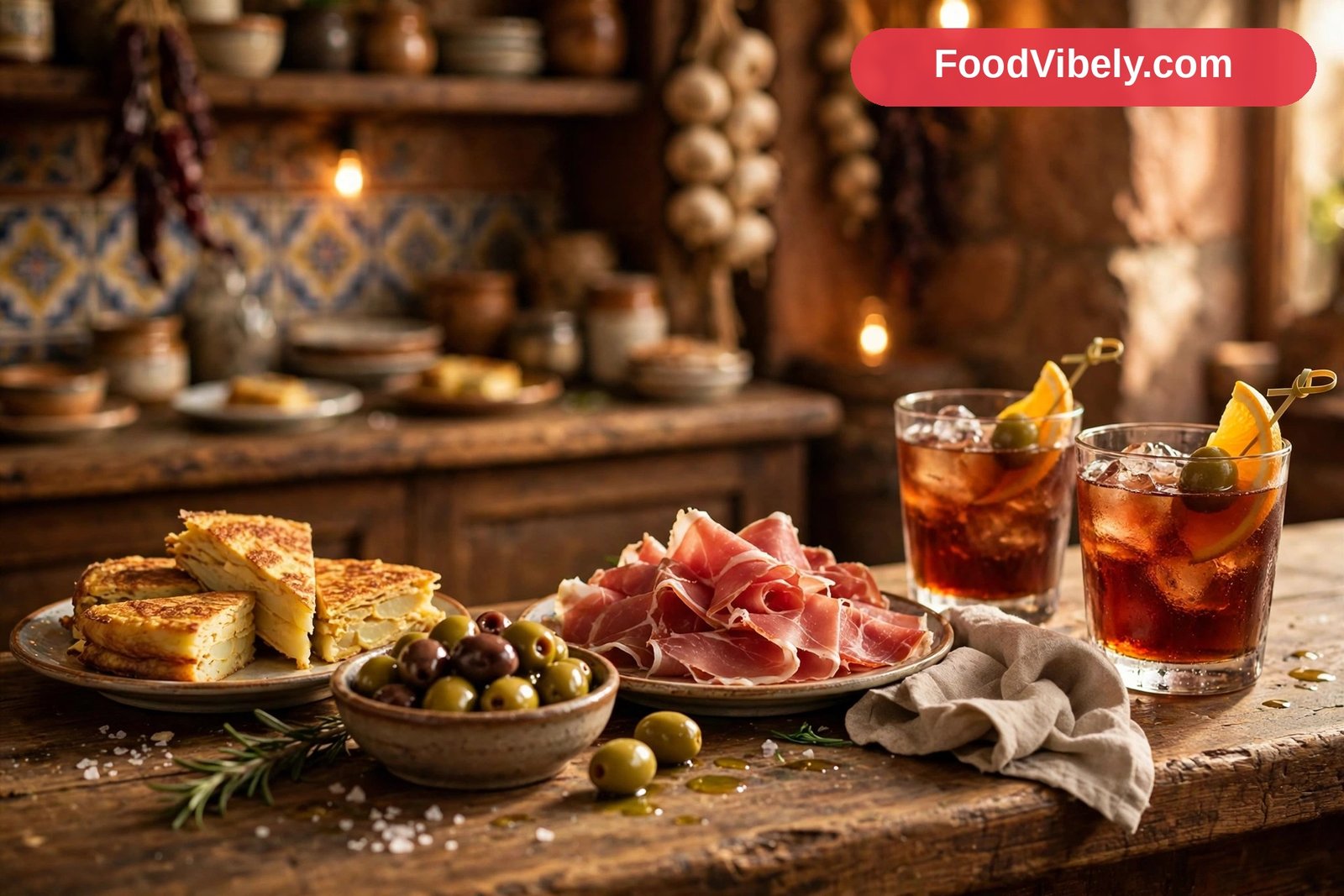
Madrid does not really do dinner the way other capitals do. It does evenings at the bar, a glass in one hand and a small plate arriving whenever it is ready, and the best tapas restaurants in Madrid understand that rhythm completely. Tapas here is not a starter before the real meal. Shared slowly with friends, standing up, moving on when the mood takes you — it is the meal, and often the best night of the trip.
This list mixes century-old taverns, market bars and one or two modern kitchens, because that is how Madrileños actually eat. If you are planning a wider European food trip, our guide to the best restaurants in Paris makes a lovely contrast — Paris at the table, Madrid at the bar, both completely sure they are right.
How We Picked These Restaurants
We looked for places Madrileños defend in arguments, which in Madrid is the highest honour a bar can receive. Some of these bars do a single dish so well that people cross the city for it; others earn their place through a whole counter of small plates, poured vermouth and the feeling that the room has barely changed in decades. A few are famous, but every one is famous for a reason you can taste.
- Reputation among locals: Bars the city itself recommends, not just visitor lists.
- Food quality: Signature dishes — a tortilla, a bravas sauce, a piece of cod — done properly.
- Consistency: The same standard on a busy Saturday as on a quiet Tuesday lunchtime.
- What real diners say: Packed counters, repeat regulars and fierce loyalty counted heavily.
Madrid’s Tapas Bars Worth Crossing the City For
Casa Revuelta — Madrid, Spain
A short walk from Plaza Mayor, Casa Revuelta is a small, standing-room tavern with a devoted following for one thing above all: bacalao, battered cod fried to order so the coating stays crisp and the fish inside stays soft and pearly. Order it at the bar with a small glass of wine or beer, add a croquette or two, and understand immediately why such a simple plate has kept its reputation for generations. The room is plain, the service brisk and friendly. Honest caveat: space is tight and it fills fast, so this is a stand, snack and smile stop, not a lingering lunch.
Best for: A perfect piece of fried cod at the bar
Bodega de la Ardosa — Madrid, Spain
In Malasaña, Bodega de la Ardosa has been pouring drinks since 1892, and its tiled, bottle-lined room still feels like old Madrid. People make special trips for its tortilla española, served warm with a soft, gently runny centre, alongside vermouth on tap and classic tapas such as salmorejo and croquettes. Arrive for the pre-lunch vermouth hour and the bar makes complete sense: neighbours greeting each other, glasses clinking, tortilla disappearing slice by slice. Honest caveat: it is deservedly popular with visitors too, so go early or on a weekday if you want elbow room.
Best for: Tortilla and vermouth in a historic bodega
Casa Dani — Madrid, Spain
Inside the Mercado de la Paz food market in Salamanca, Casa Dani is a cheerful, no-frills market bar whose tortilla de patata is widely reported to have won national recognition, including first place in a Spanish omelette championship. The wedges are hefty, golden and packed with caramelised onion, served hot and slightly runny, exactly as its regulars like them. Market workers, shoppers and office staff crowd the counter from breakfast onwards, and the set lunch is a local ritual. Honest caveat: you are eating in a working market, so expect noise, bustle and very little personal space at peak hours.
Best for: A championship-level tortilla in a real food market
Juana La Loca — Madrid, Spain
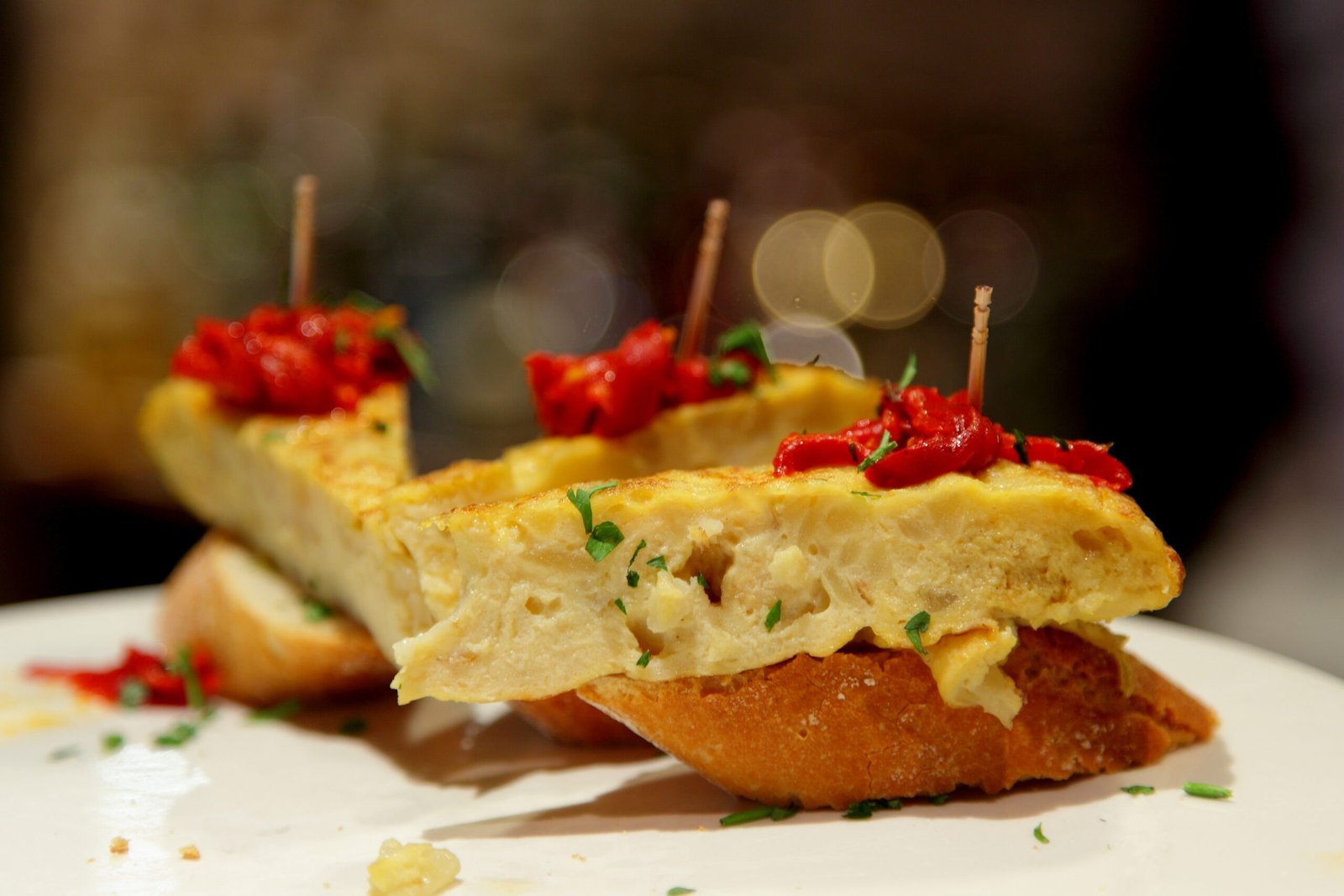
On Plaza de Puerta de Moros in La Latina, Juana La Loca built its name on a single famous pintxo: tortilla made with caramelised, almost jammy onion, served in a generous slice on bread. It is darker, sweeter and richer than most tortillas in the city, and people genuinely travel across Madrid for it, especially on Sundays around the Rastro market. Beyond the tortilla, the kitchen offers creative Basque-inspired small plates in a stylish, buzzing room. Honest caveat: at busy times you may wait for a spot, and the famous slice disappears fast, so order it first, not last.
Best for: The caramelised-onion tortilla everyone talks about
La Catapa — Madrid, Spain
Near the Retiro, La Catapa is the sort of neighbourhood tapas and wine bar that regulars slightly resent seeing on lists, which tells you most of what you need to know. The cooking is seasonal and careful, the wine list is taken seriously, and the counter fills with people who clearly eat here every week. Expect classic flavours handled with a lighter, modern touch rather than reinvention for its own sake, and staff happy to steer you towards whatever is best that day. Honest caveat: it is small and popular, so booking ahead for a table at weekends is the sensible move.
Best for: A locals’ favourite wine and tapas bar near Retiro
El Sur — Madrid, Spain
El Sur is one of those generous, unpretentious central Madrid bars that reminds you tapas was never meant to be precious. Portions are proper, prices have a reputation for fairness, and the menu runs through the classics — grilled meats, salads, potatoes, seafood — served by staff who keep a busy room feeling relaxed. It suits groups, mixed appetites and anyone whose ideal evening is several shared plates and no drama about the bill. Honest caveat: it is not chasing culinary fashion, so come for warmth, value and reliability rather than surprises, and you will leave very happy indeed.
Best for: Generous shared plates and an easy group night
Casa González — Madrid, Spain
Part delicatessen, part wine bar, Casa González in the literary quarter near Huertas is a beautiful old shop where you eat surrounded by shelves of cheese, charcuterie and bottles. Sit at one of the small tables and build a meal from excellent cured meats, cheeses, preserved fish and a well-chosen glass of Spanish wine, with staff who know every product on the shelves. It feels like Madrid before tapas became an industry. Honest caveat: the food is mostly cold cuts, cheese and conservas rather than hot kitchen dishes, so treat it as a delicious pause between cooked tapas stops.
Best for: Cheese, charcuterie and wine in a gorgeous old deli
La Venencia — Madrid, Spain
La Venencia, near Puerta del Sol, is Madrid’s legendary sherry bar: dusty bottles, wooden barrels, vintage posters and, famously, rules. No photographs are allowed inside, tipping is refused, and your bill is traditionally chalked on the bar — small rituals that have kept the room feeling unchanged for decades. Only sherry, in styles from bone-dry fino and manzanilla to richer amontillado, is poured, with simple tapas such as olives, cheese, mojama and cured meats alongside. Bring cash to be safe, as card payment is widely reported to be unreliable here. Honest caveat: it will not soften its character for anyone, which is exactly the point.
Best for: Sherry, history and Madrid’s most atmospheric bar
Sala de Despiece — Madrid, Spain
On Calle Ponzano in Chamberí, Sala de Despiece is the modern face of Madrid tapas: a narrow room styled like a stylish butcher’s counter, where creative small plates arrive with real flair. The menu changes with the market and the kitchen’s mood, running from clever vegetable dishes to beautifully handled meat and seafood, all designed for sharing along the counter. It is energetic, a little theatrical and completely different in spirit from the old taverns on this list. Honest caveat: it is popular and portions are tapas-sized, so book ahead where possible and order in waves rather than all at once.
Best for: Modern, inventive tapas on Madrid’s favourite food street
Docamar — Madrid, Spain
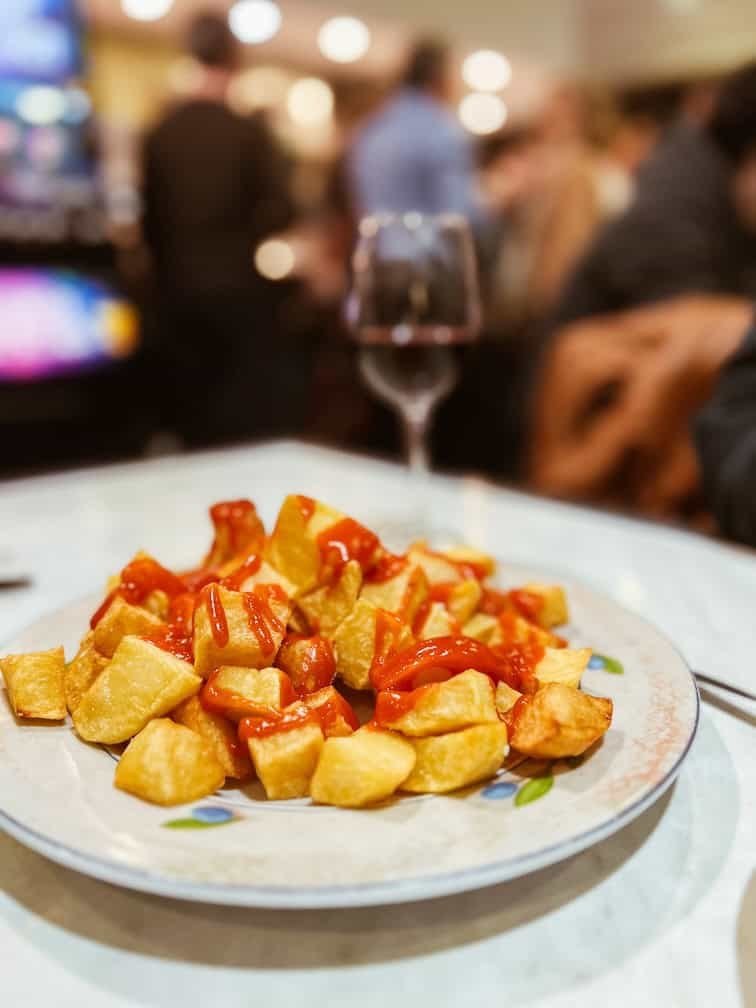
Docamar, on Calle de Alcalá in Ciudad Lineal, has been serving since 1963 and makes a simple, confident claim: its patatas bravas, crisp fried potatoes under a secret-recipe spicy sauce, are among the city’s defining plates. Madrileños have argued happily about that sauce for decades, and the terrace and dining room fill with families who have been coming for years. It sits away from the tourist centre, which is part of its charm — this is a neighbourhood institution, not a souvenir. Honest caveat: the trip out is real, so pair it with an afternoon exploring beyond the centre.
Best for: Patatas bravas with a famous secret sauce
How to Choose (and Book) Smart
Build your evening like a Madrileño: two or three bars, not one long sitting. Start with a vermouth and a signature slice somewhere historic, move to a second bar for its one famous dish, and finish where the wine is good. Most traditional bars do not take bookings and work on a first-come basis at the counter, so arrive before the local rush — before about 1.30pm at lunch and before 8.30pm in the evening. Smaller modern spots and neighbourhood favourites often do accept reservations, and for those, booking is genuinely wise at weekends. Our broader city guides can help you group these bars by neighbourhood, so your tapas crawl is a stroll rather than a taxi ride.
Frequently Asked Questions
How does tapas ordering actually work in Madrid?
At traditional bars, order at the counter, a dish or two at a time, and eat standing or at a small table. Some dishes are tapas-sized, while larger sharing portions are called raciones. Ordering gradually is normal and encouraged — nobody expects one big order.
Do I need to book tapas bars in Madrid?
Usually not for the classic taverns, which are walk-in and counter-based; just arrive early. Smaller modern restaurants and popular neighbourhood spots can fill completely at weekends, so book those ahead where reservations are offered, especially for Friday and Saturday evenings.
How much does a tapas night in Madrid cost?
It varies widely, but Madrid remains one of Europe’s better-value capitals for eating out. As a cautious guide, a relaxed evening of several shared dishes and a couple of drinks each is usually moderate rather than extravagant, while famous names and premium cured ham will push the bill up.
What time do people eat tapas in Madrid?
Later than most visitors expect. Lunch runs roughly from 1.30pm to 3.30pm, and evening tapas rarely gets going before 8.30pm, with kitchens busy well past 10pm. Arriving at 6pm for dinner will mostly find you a quiet bar and a limited menu.
What should a first-timer definitely order?
A great tortilla, patatas bravas, something cured such as jamón or cheese, and a glass of vermouth or sherry will teach you more about Madrid than any tasting menu. After that, follow the room: order whatever the table next to you is enjoying.
Final Thoughts
Madrid’s tapas bars are not really about chasing novelty. They are about a city that has decided, over more than a century, that a small plate done perfectly, in a room full of neighbours, is one of life’s reliable pleasures. The tortilla at a market counter, cod still crackling from the fryer, sherry poured somewhere that refuses to change — these are the flavours people who have lived here carry with them.
So eat standing up at least once, order the thing the bar is famous for, and let the evening wander. Madrid will handle the rest.



2 Comments