
Best Ramen in Tokyo: 10 Bowls Worth the Queue
Tokyo does ramen the way other cities do fine dining: seriously, obsessively, and with a queue outside. Finding the best ramen in Tokyo is not about one perfect bowl, because the city cannot agree on what perfect means. It might be a rich tonkotsu, a clear shoyu, or noodles you dip rather than slurp from the broth.
This list is for travellers who want the famous names without wasting a meal. Every shop below is genuinely well known, does one style brilliantly, and earns its line. Bring cash, bring patience, and arrive hungry — portions are honest and second bowls are tempting.
How We Picked These Restaurants
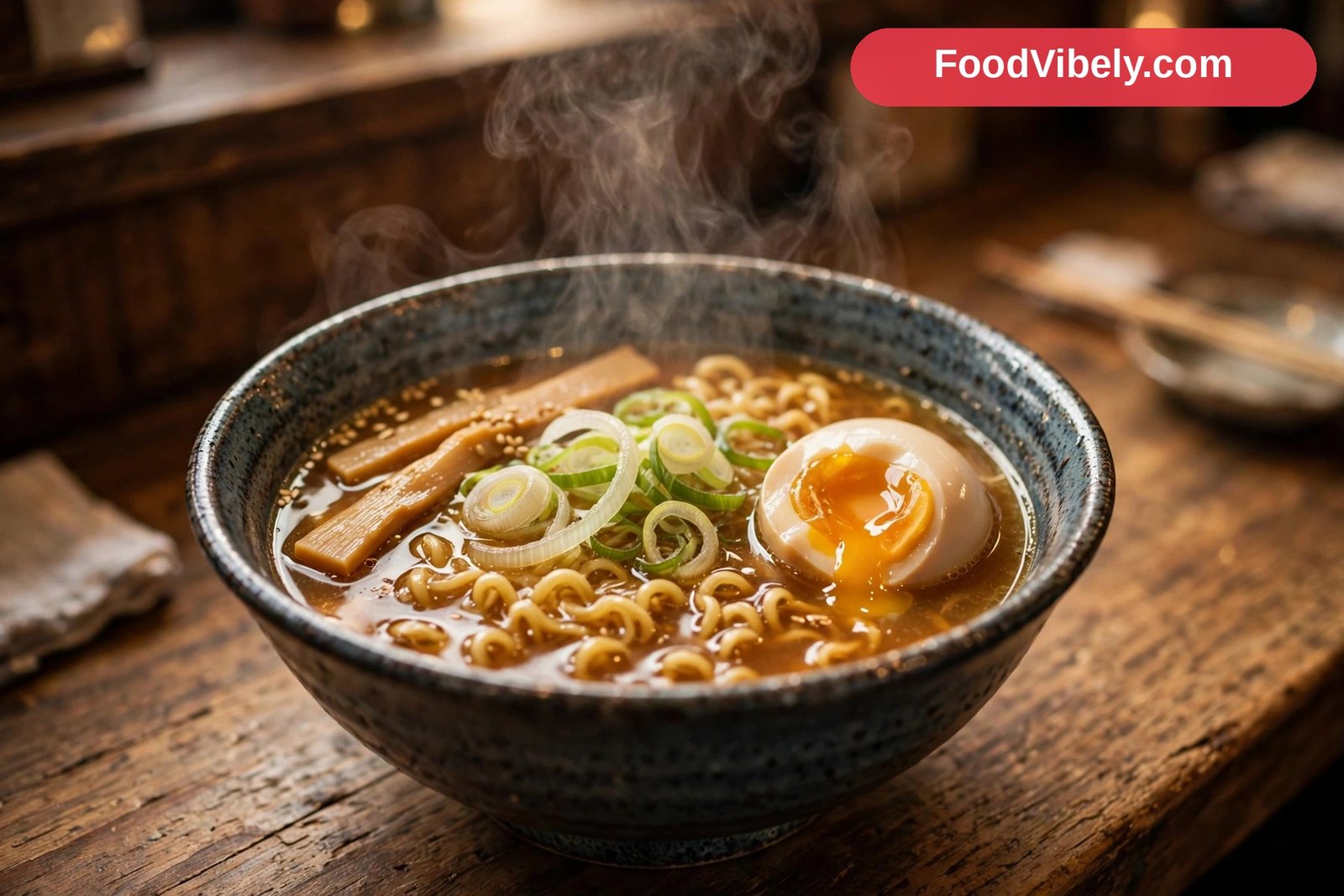
We started with the shops Tokyo ramen fans actually argue about, then checked them against guide listings, long-running reputations and what diners consistently praise after the hype fades. If a place was famous only for a photograph, it did not make the cut. You will find more context in our guide to famous Japanese restaurants, but the bowls below were chosen on flavour first.
- Reputation: Long-standing names that chefs, locals and guidebooks keep returning to, not one-season sensations.
- Food quality: Broth, noodles and toppings that work together, with a clear signature bowl worth ordering first.
- Consistency: Shops known for delivering the same standard at lunch on a rainy Tuesday as on a busy Saturday.
- What real diners say: Repeated praise for the same dishes, balanced against honest complaints about queues and cramped seating.
The Tokyo Ramen List Worth Queuing For
Fuunji — Tokyo, Japan
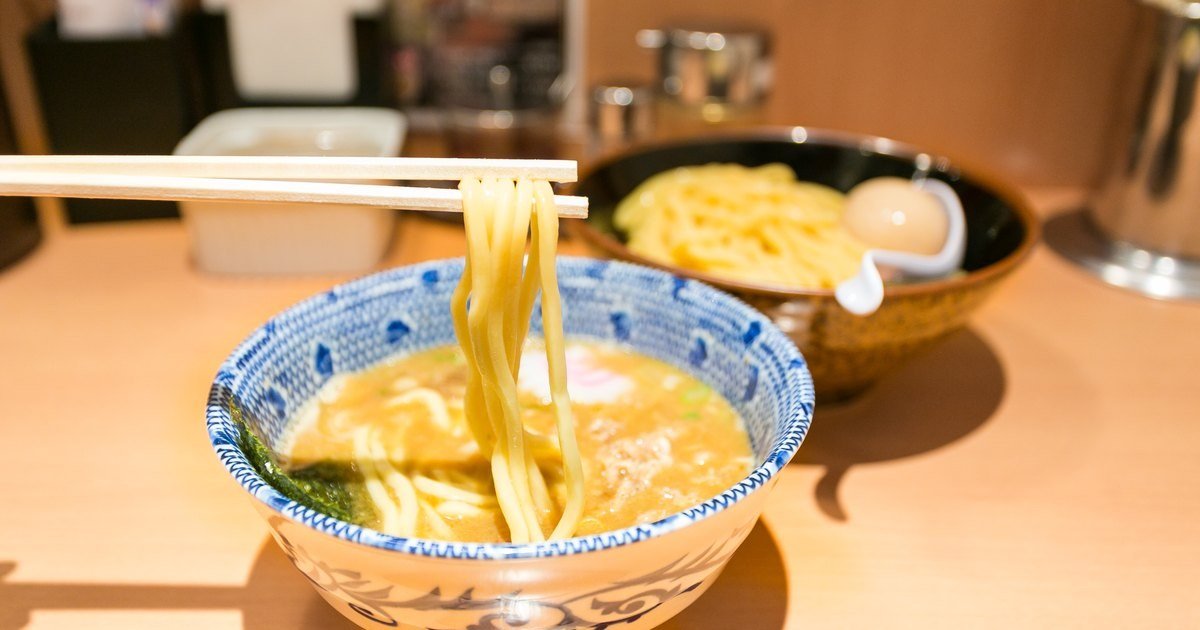
Fuunji, a short walk from Shinjuku station, is the tsukemen shop other tsukemen shops get measured against. Thick, chewy noodles arrive cold and separate from a small bowl of intensely concentrated dipping broth, widely described as chicken-based with dried sardines and bonito giving it a deep, savoury punch. A mound of fish powder on top melts in as you eat, shifting the flavour as you go. The room is a narrow counter, the queue often snakes outside, and nobody lingers. Finish with soup-wari, hot stock to thin the leftover dip into a drinkable soup. Honest caveat: it is rich, loud and entirely without romance.
Best for: Your first, definitive tsukemen
Rokurinsha — Tokyo, Japan
Rokurinsha sits inside Tokyo Station’s Ramen Street, which makes it possibly the most convenient famous bowl in Japan — you can eat here between trains. The speciality is again tsukemen, but a heavier, crowd-pleasing version: a glossy pork-and-fish dipping broth, fat house-made noodles, thick chashu and a marinated egg. It is the bowl many visitors start with, and its consistency explains why the line rarely disappears. There is even a morning service that regulars use to dodge the worst queues. The honest caveat is the setting: bright, brisk and unmistakably a station, so treat it as a delicious pit stop rather than a lingering dinner.
Best for: A great bowl without leaving Tokyo Station
Tsuta — Tokyo, Japan
Tsuta changed ramen history. Founded by Yuki Onishi in Sugamo in 2012, it became the first ramen restaurant in the world to be awarded a Michelin star, in the 2016 Tokyo guide. The signature is an elegant shoyu ramen: a clear, layered dashi of chicken and seafood, finished with black truffle oil, nothing like the heavy bowls elsewhere on this list. The shop later moved to Yoyogi-Uehara. Mr Onishi sadly passed away in 2022, and the shop continues under his team, carrying his legacy with care. We phrase its star in the past tense deliberately — current guide status has changed since those star years.
Best for: Ramen history, in one delicate bowl
Nakiryu — Tokyo, Japan
Nakiryu is a tiny counter in Otsuka, in residential Toshima, famous for one thing above all: tantanmen, the Japanese take on Sichuan dan dan noodles. Expect sesame richness first, then a warming, carefully judged heat, with minced pork and spring onion over firm, thin noodles. Nakiryu earned a Michelin star in 2017 and held it for several years; more recent guides list it at Bib Gourmand level, so we describe it as Michelin Guide-listed rather than currently starred. Either way, the bowl has not chased trends. The honest caveat is the wait — arrive before opening, because the small room fills immediately and the line is real.
Best for: Balanced, sesame-rich tantanmen
Afuri — Tokyo, Japan
After several heavy bowls, Afuri feels like a deep breath. Its signature is yuzu shio ramen: a clear, golden, salt-based chicken broth brightened with fragrant yuzu citrus, served with thin noodles, chashu and bamboo shoots. The flavour is clean and aromatic rather than coating, which is exactly why locals recommend it to anyone who finds tonkotsu too much. Afuri now has several Tokyo branches, including Ebisu and Harajuku, and the quality travels well between them. The atmosphere is brighter and more polished than the old-school counters on this list. Honest caveat: purists who want maximum richness may find it almost too light — everyone else will finish the broth.
Best for: A lighter, citrus-bright bowl
Kagari — Tokyo, Japan
Kagari, tucked on a Ginza side street, built its name on tori paitan: a creamy, almost soup-like chicken broth, simmered until it turns pale and velvety, served with thin noodles and neat, seasonal vegetable toppings. It looks refined and tastes deeply comforting, like the most elegant chicken soup you have ever had, only unmistakably ramen. The original Ginza shop is small, calm and slightly formal by ramen standards, and the queue forms early. A second branch inside Tokyo Station is easier for travellers. Honest caveat: the richness sneaks up on you, so the regular portion is plenty for most people at lunch.
Best for: Creamy chicken ramen in smart Ginza
Ichiran — Tokyo, Japan
Ichiran is the ramen experience almost every visitor tries once, and honestly, it is fun. Originally from Fukuoka, it serves one thing — customisable tonkotsu — in individual booths divided by wooden partitions, so you can focus entirely on your bowl. You order from a ticket machine, then tick boxes for noodle firmness, richness, garlic and spice, including its signature red sauce. The broth itself is smooth, porky and remarkably clean-tasting for tonkotsu. Tokyo branches are everywhere, and some stay open very late. The caveat is the queue at famous branches like Shibuya, and the fact that this is a solo ritual, not a chatty group dinner.
Best for: Solo diners and tonkotsu customisation
Ippudo — Tokyo, Japan
Ippudo’s Tokyo branches belong to the celebrated Fukuoka chain founded in 1985, and they offer the friendliest introduction to Hakata-style tonkotsu on this list. You get a choice: Shiromaru, the classic silky pork broth, or Akamaru, a bolder version with garlic oil and a spicier miso paste. Noodles are thin and straight, gyoza are reliably good, and the dining rooms feel like proper restaurants rather than counters — tables, conversation, even a drink. If you are planning a wider noodle itinerary, pair this with our picks for the best sushi restaurants in Tokyo for the rest of your trip.
Best for: Groups who want tonkotsu and gyoza
Menya Itto — Tokyo, Japan
Menya Itto, in Shinkoiwa in eastern Tokyo, is the name tsukemen obsessives mention once you have done Fuunji and Rokurinsha. Its dipping broth blends pork, chicken and seafood into something thick enough to cling to every strand of the glossy, house-made noodles, yet the finish is cleaner than you expect. The chashu is a quiet highlight, tender and carefully handled. It takes a little more effort to reach than the central names here, and that is part of the appeal — this is a neighbourhood destination, not a tourist stop. Honest caveat: it sells out, so an early lunch is the safest plan.
Best for: A tsukemen pilgrimage beyond the centre
Soranoiro — Tokyo, Japan
Soranoiro is the playful outlier on this list, a shop that asked what ramen could be if vegetables led the way. It is widely known for its vegetable-forward bowls, including a veggie ramen built on a carrot-toned, sweet-savoury broth, alongside more conventional chicken-based options for the sceptical. The cooking is thoughtful rather than worthy — this is not a health-food compromise, just a different, lighter register of flavour, with colourful toppings and a bright, modern room to match. Branches around central Tokyo make it an easy add. Honest caveat: if your heart is set on a classic pork broth, start elsewhere and come here second.
Best for: Vegetable ramen that still feels indulgent
Mutekiya — Tokyo, Japan
Mutekiya, a short walk from Ikebukuro station, is old-school tonkotsu comfort: a long-simmered pork broth, springy noodles and generous slices of chashu, served in a cheerful, no-frills room that has fed students, workers and late-night wanderers for years. It lacks the polish of Kagari and the fame of Tsuta, but regulars defend it fiercely, and the bowl explains why — rich, familiar and deeply satisfying. Portions are hearty and prices stay in normal ramen territory. The caveat is popularity at peak hours, when the line spills onto the pavement; go slightly early or slightly late and you will usually walk straight in.
Best for: Classic, hearty tonkotsu in Ikebukuro
How to Choose (and Book) Smart
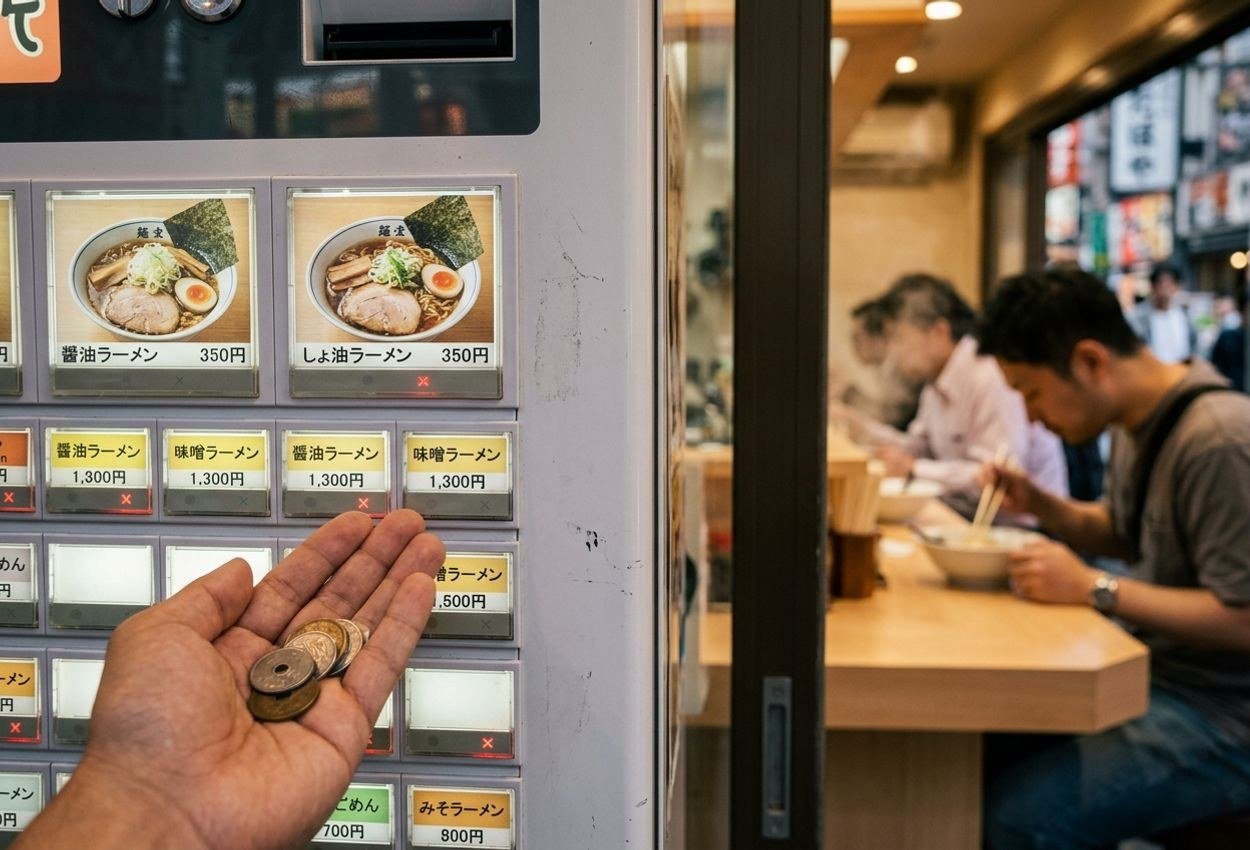
Almost none of these shops take reservations, so your real booking tool is timing. Arrive twenty minutes before opening for the famous counters, or aim for the awkward hours — mid-afternoon, or just before closing — when queues shrink dramatically. Most ordering happens at a ticket machine near the door: have cash ready, choose your bowl before you sit down, and hand the ticket over as you take your seat.
Choose by style, not by fame. First-timers should try one tsukemen, one tonkotsu and one lighter bowl across a trip, rather than three versions of the same thing. Slurping is polite, lingering is not — eat, enjoy, and free the seat. It is a rhythm you will quickly come to love.
Frequently Asked Questions
How much does a bowl of ramen cost in Tokyo?
At the shops on this list, a standard bowl is widely reported to sit roughly between ¥1,000 and ¥1,500, with special or extra-topping versions costing more. Prices do change, so treat that as a planning guide rather than a promise, and check the ticket machine when you arrive.
Do I need to book ramen restaurants in Tokyo?
Generally, no. Most famous ramen shops are walk-in only and work on a queue-and-ticket system. A handful of newer or more formal places take bookings, but for the names here, your strategy is simply to arrive early and avoid the peak lunch rush.
What is the difference between ramen and tsukemen?
With ramen, noodles sit in the broth. With tsukemen, thick noodles arrive separately and you dip them into a concentrated broth. The dipping broth is far richer, and at the end you can ask for soup-wari — hot stock to thin what is left so you can drink it.
Is it rude to slurp ramen in Japan?
Not at all. Slurping is normal, practical and quietly appreciated: it cools the noodles and shows you are enjoying the bowl. What locals avoid is lingering long after finishing at a busy counter, because someone in the queue is waiting for your seat.
Which bowl should a first-time visitor order?
If you can only have one, make it tsukemen at Fuunji or Rokurinsha for the full Tokyo experience. If rich pork broth is your thing, choose Ippudo for comfort or Ichiran for the booth ritual. For something lighter and unforgettable, Afuri’s yuzu shio is the one people describe months later.
Final Thoughts
Tokyo rewards ramen lovers who plan a little and queue a little. Pick three or four shops from this list, spread them across your trip, and do not try to rank them over the table — each does something the others simply do not attempt.
Our own favourite routine is simple: tsukemen for lunch, a light yuzu shio on the last day, and one unplanned neighbourhood bowl in between. However you build your list, go hungry, carry cash, and trust the queue. In Tokyo, the line outside is rarely wrong.


2 Comments