Best Spanish Restaurants
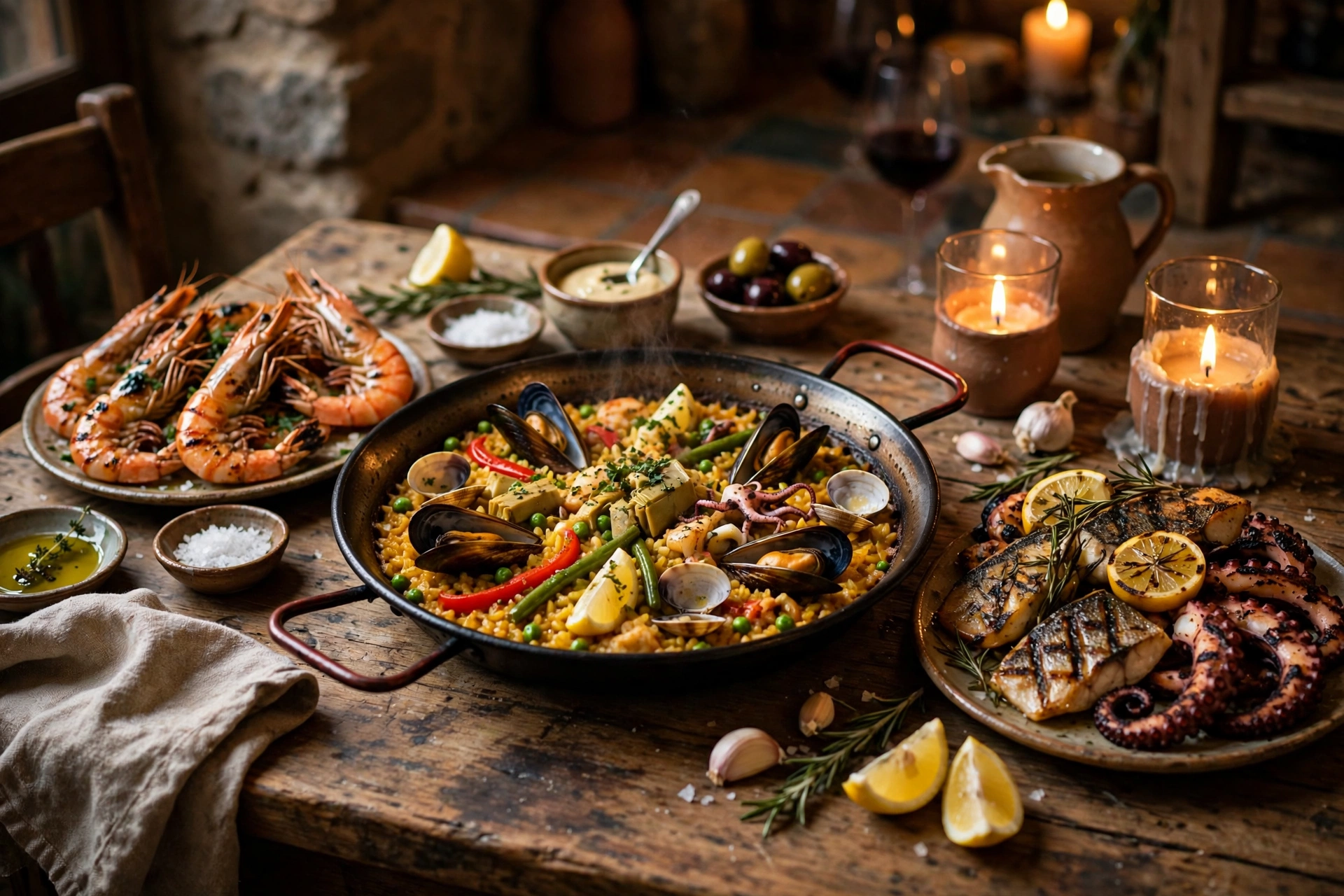
Spain does not do one kind of cooking, and that is exactly why the best Spanish restaurants are so much fun to chase. A grilled turbot in a tiny Basque fishing village, a plate of jamón in a crowded Madrid bar, a tasting menu in Girona that feels like theatre — they all belong to the same food culture, and none of them tastes like the others.
This list moves across the country and across budgets. You will find three-star dining rooms next to family-run spots where the menu has barely changed in decades. Every place below is real, famous for a clear reason, and worth the effort it takes to get a table. Pick the ones that match your mood, book early where it matters, and leave room for one more plate than you planned.
If you are already planning a trip around food, our guide to the Best Tapas Restaurants in Madrid is a good place to start your Madrid evenings before you branch out across Spain.
How We Picked These
We looked for restaurants with staying power, not just a good month. That meant checking guide coverage, awards, and what regular diners keep saying year after year, then asking a simple question: would we send a friend here if they had one dinner in that city? The twelve below all passed that test, and each one is known for something specific rather than just being expensive or hard to book.
- Reputation: Long-standing fame, Michelin recognition, or a place on lists like the World’s 50 Best — earned over years, not one season.
- Food quality: Cooking that tastes unmistakably of its region, from Basque grills to Andalusian seafood.
- Consistency: The signature dish should be as good on your visit as it was for the regulars last year.
- What real diners say: Repeated praise for named dishes, balanced with honest notes on prices, waits, and booking windows.
The List: Best Spanish Restaurants
Asador Etxebarri — Axpe, Basque Country
Ask chefs where they would eat on a day off and Etxebarri comes up again and again. In a small village near the coast, Victor Arguinzoniz cooks almost everything over embers, using grills he built himself, and the result is food that tastes like smoke in the best possible way. The grilled prawns, the salted anchovies, and the famous beef chop are the dishes people cross continents for. It holds a Michelin star and has sat near the top of the World’s 50 Best for years, yet the room stays relaxed and rural. Book months ahead, expect a long lunch, and trust the set menu — it is the whole point of coming here.
El Celler de Can Roca — Girona, Catalonia
Run by the three Roca brothers in Girona, El Celler de Can Roca is one of the most celebrated restaurants on earth, with three Michelin stars and a long run at the top of the World’s 50 Best. The cooking is playful and deeply Catalan at once — dishes that smell of the forest, desserts built around perfume, and a wine cellar run by Josep Roca that is a destination in itself. The menu changes with the seasons and leans on the brothers’ childhood memories, so expect surprises alongside the classics. Reservations open months in advance and vanish fast. It is a splurge, no question, but it is also one of those meals people remember for years.
DiverXO — Madrid
Dabiz Muñoz runs the wildest dining room in Spain, and DiverXO, his three-Michelin-star restaurant in Madrid, is where he lets that imagination run free. The menu is a single tasting journey through bold, sometimes deliberately strange flavour combinations, served in a dark, theatrical room where the staff move like performers. Dishes borrow from Asia, Spain, and wherever else Muñoz has been eating lately, and the plating is as dramatic as the flavours. It is loud, expensive, and not for the faint-hearted. Book well ahead, go with an open mind, and do not plan anything serious afterwards — you will want to sit with the meal for a while.
Disfrutar — Barcelona, Catalonia
Disfrutar was opened in Barcelona by three chefs who learned their craft at elBulli, and it shows in the best way. The food is inventive without being fussy — a beetroot dish that looks like a tart, a famous multi-spherical pesto, and a liquid croquette that regulars talk about for weeks. It holds three Michelin stars and has topped the World’s 50 Best, yet the dining room feels bright and welcoming rather than stiff. The tasting menu is the way to go, and the wine pairings are generous. Book as early as you can, because Barcelona’s most famous table fills fast, and come hungry.
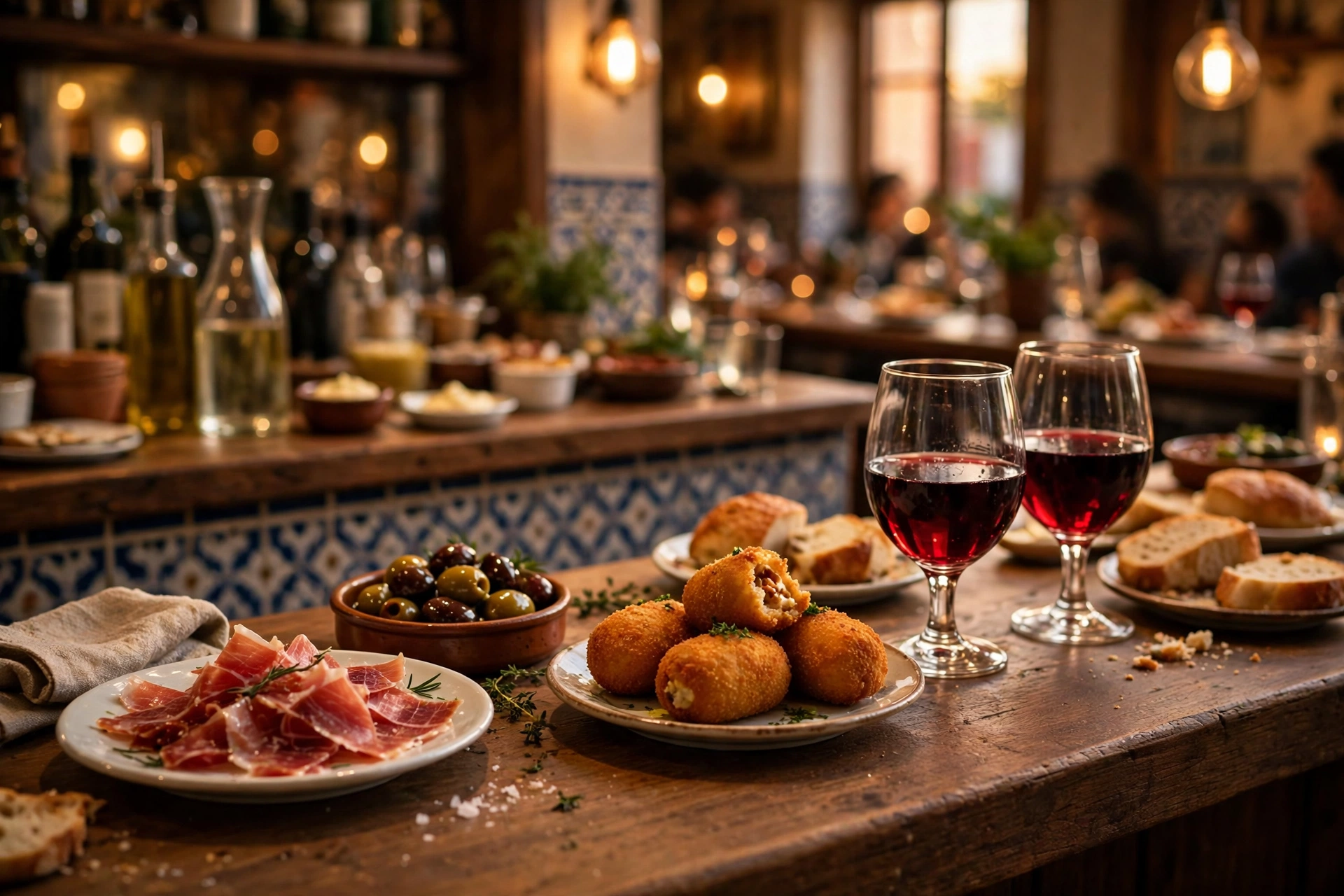
Mugaritz — Errenteria, Basque Country
Mugaritz, in the hills outside San Sebastián, is the restaurant for diners who like to be challenged. Andoni Luis Aduriz builds menus around ideas — nature, memory, surprise — and the dishes often arrive looking nothing like what you expected. Some courses are eaten by hand, some are puzzles, and a few will divide the table. That is the point, and it is why Mugaritz has held two Michelin stars and a devoted following for two decades. It is not the place for a quiet, classic dinner. It is the place for a conversation that starts at the table and keeps going on the drive home.
Arzak — San Sebastián, Basque Country
Arzak is a family story as much as a restaurant. The Arzak family has cooked in the same house in San Sebastián since 1897, and today Juan Mari Arzak and his daughter Elena run a three-Michelin-star dining room that helped invent modern Basque cooking. The menu mixes tradition with invention — red mullet with edible fish scales, a famous chocolate dessert shaped like a pebble — and the dining room feels warm and lived-in rather than formal. It is one of the most consistent fine-dining rooms in Spain, and it has been for decades. Book ahead, dress smart but not stiff, and save room for the dessert trolley.
Elkano — Getaria, Basque Country
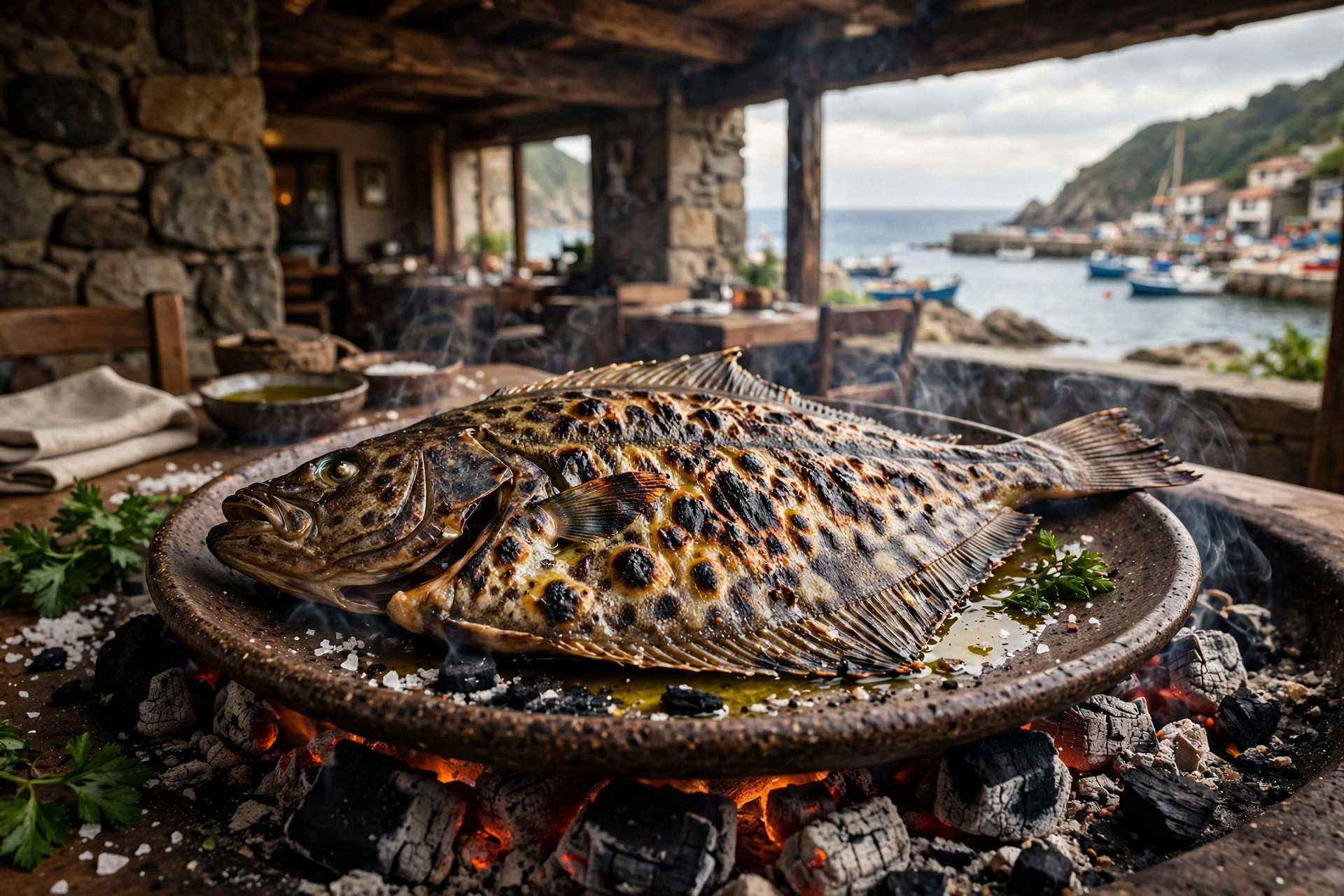
Getaria is a small fishing town on the Basque coast, and Elkano is its pride. This Michelin-starred grill house is famous for one thing above all: whole fish cooked over charcoal, served with nothing more than good olive oil, salt, and a little garlic. The turbot is the dish people dream about, and the grilled kokotxas — hake cheeks — are just as loved. The dining room is simple and whitewashed, the sea is right there, and lunch here feels like the most natural thing in the world. Prices reflect the catch of the day, so ask before you order, and book a table by the window if you can.
Casa Julián — Tolosa, Basque Country
Casa Julián is a grill house in Tolosa that has been doing one thing brilliantly for generations: the chuletón, a thick, bone-in beef rib steak cooked over charcoal and carved at the table. The beef comes from old dairy cows, which gives it a deep, almost nutty flavour that regulars swear by, and it arrives barely seasoned so the meat can speak for itself. The dining room is rustic and unpretentious, the cider flows, and the rest of the menu is a supporting act. It is not fine dining and it does not try to be. It is a masterclass in doing one dish properly, and it is worth a detour from San Sebastián.
Aponiente — El Puerto de Santa María, Andalusia
Ángel León, often called the chef of the sea, runs Aponiente in a converted tide mill in El Puerto de Santa María, and his cooking is unlike anything else in Spain. The menu is built entirely from the sea — fish, plankton, sea vegetables, and parts of the catch most kitchens throw away — and it has earned three Michelin stars. Dishes like marine plankton rice and sea-cured ham show what happens when a chef spends years studying one ingredient. The setting, with water moving beneath the floor, adds to the drama. Book well ahead and go ready to be surprised; this is fine dining with a point of view.
Tickets — Barcelona, Catalonia
Tickets was the fun, tapas-bar sibling of the elBulli story, created by Albert Adrià in Barcelona, and it quickly became one of the hardest tables in the city. The menu is a long list of small, clever plates — olives that burst in your mouth, airbaguettes, and a famous liquid ravioli — ordered in rounds as you go, so dinner feels like a game. The room is loud, bright, and full of energy, and the staff love explaining what is on your plate. It is one of the toughest tables in Barcelona, so book the moment reservations open, and arrive ready to order in rounds — that is half the fun.
Sobrino de Botín — Madrid
Botín, in Madrid, is the oldest restaurant in the world still operating, founded in 1725, and it is famous for its roast suckling pig and roast lamb cooked in the original wood-fired oven. The dining rooms, spread over several floors of a narrow old building near Plaza Mayor, feel like stepping into another century — low ceilings, old tiles, and waiters who have worked there for decades. The cochinillo arrives with crackling skin and meat so tender it barely needs a knife. It is a tourist favourite, so book ahead and expect a lively room. Go for the history and the roast, and you will leave happy.
Casa Lucio — Madrid
Casa Lucio, near Plaza Mayor in Madrid, is the home of huevos rotos — broken eggs over fried potatoes with jamón — and it has been serving them since 1974. The dish is simple, but the execution is what draws the crowds: crisp potatoes, rich eggs, and slices of good jamón, mixed at the table into a gloriously messy plate. The dining room is classic Madrid, all wood and white cloths, and the walls carry photos of the famous faces who have eaten here. It is busy most nights, so book ahead or come early. Order the huevos rotos, add a salad and a glass of red, and you have a perfect Madrid dinner.
Good to Know Before You Go
Spanish dining runs on its own clock, and it pays to know the rhythm before you arrive. Lunch is the main meal, usually from around 1:30 to 3:30, and dinner rarely starts before 8:30 or 9 in the evening. Many of the best places close one or two days a week, and the big-name dining rooms can book out months ahead, so lock in the splurges first and build the rest of your trip around them.
At grill houses and traditional spots, the catch or the cut of the day is often priced by weight, so it is always worth asking the price before you say yes. Tipping is simple — a few euros on the table, or around 5 to 10 percent when the service was excellent, is plenty, since service is usually included in the price. And if a place looks full of locals at lunchtime, take that as your best review; Spaniards are loyal to their favourites, and a busy local room almost never disappoints. For a sense of how these names stack up globally, our round-up of the Michelin Star Restaurants in the World puts Spain’s stars in context.
Frequently Asked Questions
Do I need reservations at the best Spanish restaurants?
Yes, for most of them. The famous fine-dining rooms book out weeks or months ahead, and popular spots like Casa Lucio and Botín fill up most nights. Smaller grill houses are easier, but a call or an online booking still saves you a wait.
What is the one dish I should try in Spain?
If you only pick one, make it the grilled turbot at Elkano or the chuletón at Casa Julián. Both are simple, regional, and impossible to forget. If you are in Madrid, the huevos rotos at Casa Lucio is the city’s signature plate.
How much should I budget for a top Spanish restaurant?
It depends on the room. A classic lunch at a grill house or a historic spot like Botín can be reasonable, while tasting menus at three-star restaurants commonly run into the hundreds of euros per person before wine. Set menus at lunch are often the best value.
What time do Spaniards eat dinner?
Most restaurants start dinner service around 8:30 or 9 in the evening, and kitchens often stay open until 11 or later. Eating at 7 will usually mean an empty room and a limited menu, so adjust your schedule and enjoy a late lunch instead.
Is it easy to eat well in Spain on a modest budget?
Very easy. The menú del día at lunch — a set two or three-course meal with wine — is one of Europe’s best deals, and tapas bars let you eat brilliantly for the price of a few small plates. Some of the Best Restaurants in the World sit in Spain, but so do some of the best cheap eats.
Conclusion
Spain rewards diners who travel for food. From the smoke of a Basque grill to the theatre of a Madrid tasting menu and the simple joy of broken eggs over potatoes, the best Spanish restaurants share one thing: they cook like they mean it, and they have done so for years. Book the big names early, leave space for the small ones you stumble across, and eat lunch like a local. You will come home with a list of favourites and a strong urge to go back.