Best Restaurants in Berlin: Currywurst, Kebabs and Fine Dining
Berlin doesn’t do food the way other European capitals do. There is no single grand tradition here, no one dish the whole city agrees on, and that is exactly what makes eating here so much fun. You can start the day with a currywurst from a street stand, eat a döner that people queue twenty minutes for at lunch, and end the night at a three-star tasting menu — all without leaving the same neighbourhood.
The best restaurants in Berlin cover the full spread, from €4 snacks eaten standing up to some of the most exciting fine dining in Europe. The city rewards curiosity. Some of the best meals here happen in rooms with no tablecloths, no reservations, and a handwritten menu taped to the wall. This guide walks through the places worth your time, the dishes you have to try, and how to plan a food trip that actually works.
Why Berlin Eats So Well
Berlin’s food scene is a story of who moved here and what they brought with them. After the war, Turkish families arrived and built the döner culture that now defines the city’s fast food. Vietnamese, Lebanese, and Middle Eastern communities followed, and each one added its own kitchens, bakeries, and late-night spots. More recently, chefs from all over Europe came for the cheap rents and the freedom to experiment, and they stayed.
That mix is why Berlin feels different from Paris or Rome. There is great German cooking here, but it shares the streets with some of the best Turkish, Vietnamese, and Middle Eastern food anywhere outside those countries. A single block in Kreuzberg can hold a Thai place, a Syrian bakery, a natural wine bar, and a bakery making sourdough that would be at home in Copenhagen.
The other thing that shaped the scene is space. For years, Berlin was cheap. Young chefs could open a tiny restaurant with ten seats, cook whatever they wanted, and survive long enough to build a following. That freedom produced a wave of small, personal restaurants that cook with real personality. The city has got pricier, but that spirit is still there — look for the small places with short menus and a chef who clearly cooks what they love.
Currywurst, Döner and the Best Street Food
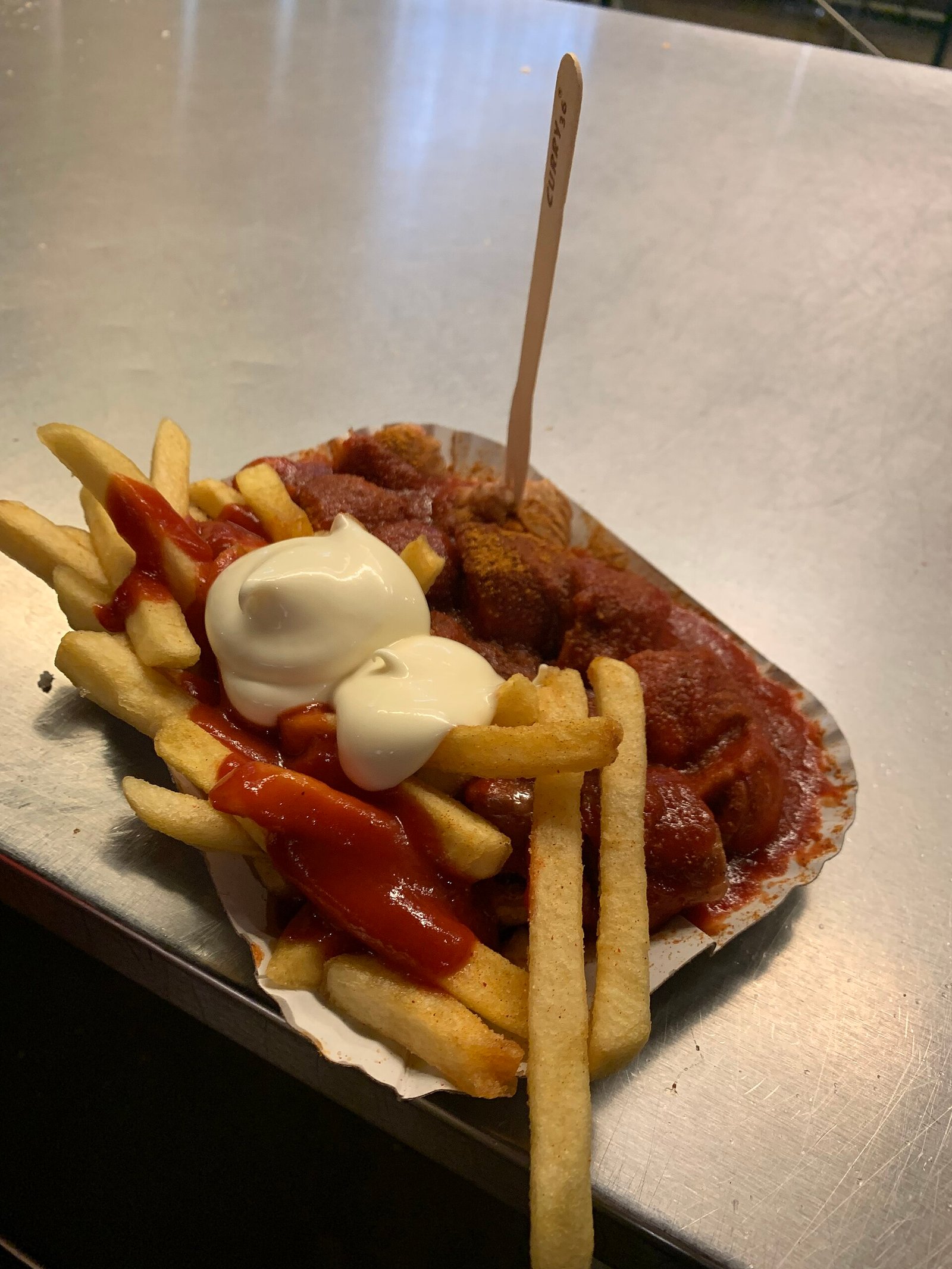
If Berlin has one signature dish, it is the currywurst: a grilled pork sausage, sliced, drowned in a warm curry-spiced tomato sauce, and served with a bread roll or chips. It was invented in the city in 1949, and Berliners take it seriously. The two names every visitor hears are Curry 36 in Kreuzberg and Konnopke’s Imbiss in Prenzlauer Berg, a family stand that has been serving since 1930. Both do the same simple thing, and both do it well. Order yours “mit Darm” if you want the classic snappy casing, and grab a paper tray and a plastic fork like everyone else.
The döner kebab is Berlin’s other great street food, and honestly it might be the better one. The version sold here — sliced meat, salad, and sauces stuffed into a toasted flatbread — was shaped in Berlin by Turkish immigrants in the 1970s, and the city still sets the standard. Mustafa’s Gemüse Kebap in Kreuzberg is the famous one, with its grilled vegetables and long queue, and it is worth the wait at least once. Doyum, also in Kreuzberg, is the local favourite for a no-fuss, properly made döner at a fair price.
Street food in Berlin goes well past those two. Markthalle Neun in Kreuzberg is the city’s best food hall, a restored 19th-century market hall where you can eat everything from Neapolitan pizza to smoked fish to handmade dumplings under one roof. Thursday evenings bring the Street Food Thursday market, and it is one of the best nights out in the city for anyone who likes to graze. Bring cash for the smaller stalls — many of Berlin’s best cheap eats still don’t take cards.
Fine Dining in Berlin
At the top end, Berlin quietly holds its own against any food city in Europe. Rutz, in Mitte, is the city’s best-known fine dining room, holding three Michelin stars for a tasting menu built around German ingredients and a wine list that runs deep into the country’s own vineyards. Book well ahead — tables go fast, and the dining room is small.
Tim Raue, also in Mitte, is the other big name. The chef of the same name built his reputation on Asian-inspired fine dining, and his two-star restaurant is one of the most polished rooms in the city: dark, calm, and focused entirely on the plate. The signature dishes play with wasabi, wasabi-like heat, and precise, clean flavours that feel a long way from a street stand — which is the point.
Nobelhart & Schmutzig, a few minutes away, takes a different path. The kitchen works only with ingredients from Berlin and Brandenburg, and the menu reads like a love letter to the region: vegetables from nearby farms, fish from local lakes, and bread baked in-house. It is Michelin-starred and one of the most talked-about restaurants in the city, and it is also one of the most fun — the chefs cook in an open kitchen and the whole room feels like a shared experiment.
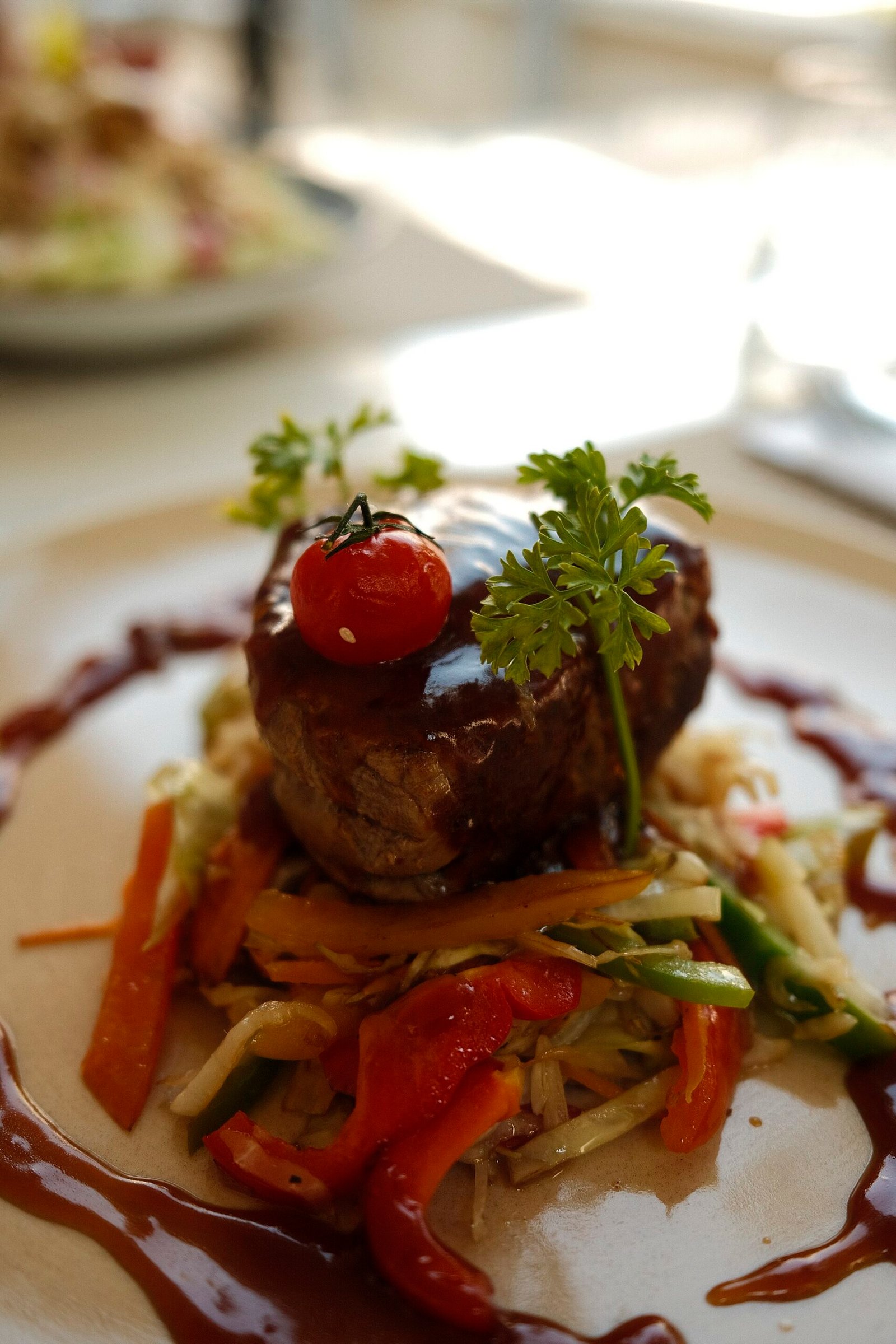
Cookies Cream deserves a mention too. It is a vegetarian restaurant hidden above a nightclub in Mitte, it holds a Michelin star, and it proves that fine dining in Berlin doesn’t have to mean meat and cream sauces. Facil, inside the Mandala hotel, is another two-star table worth knowing, with a garden setting that feels like a break from the city. And Ernst, a tiny counter restaurant in Wedding, cooks a single tasting menu for a handful of guests a night — one of the hardest tables in town to get, and one of the most memorable if you manage it.
Fine dining in Berlin has a character all its own. Service tends to be relaxed rather than stiff, dining rooms are often plain and modern, and the cooking leans seasonal and regional. Prices at this level usually run from around €150 to €300 a person for a tasting menu, before drinks. If that is beyond reach, look for the same restaurants’ lunch menus — shorter, cheaper, and often just as memorable.
Where to Eat by Neighbourhood
Berlin rewards you for leaving the centre. Each neighbourhood has its own flavour, and a short U-Bahn ride can change the whole menu.
Kreuzberg is the city’s street food heart. This is where you’ll find the famous döner shops, the Turkish markets along Maybachufer, and Markthalle Neun. It is also home to a growing strip of natural wine bars and small restaurants cooking with real ambition. Come here hungry and with no fixed plan — wandering works better than a list.
Neukölln, just south of Kreuzberg, is where a lot of the city’s newer cooking lives. The streets around Weserstraße are packed with small places: ramen bars, Middle Eastern cafes, vegan restaurants, and cocktail bars that take food seriously. It is the neighbourhood to pick if you want to see where Berlin’s food scene is heading next.
Mitte is the grand centre, home to the museums, the big hotels, and most of the fine dining rooms. It is also where you’ll find the old-school German restaurants: Zur Letzten Instanz, Berlin’s oldest restaurant, has been serving since 1621, and it still does the hearty classics — schnitzel, pork knuckle, and dumplings — in a room that feels like a history lesson.
Prenzlauer Berg, in the east, is the family-friendly one: cafes with prams parked outside, bakeries doing proper sourdough, and solid neighbourhood restaurants that locals return to week after week. Konnopke’s Imbiss is here, and so is a string of good brunch spots that fill up by ten on a Saturday.
Charlottenburg, in the west, is more old Berlin: elegant, a bit quieter, and home to classic restaurants that have been going for decades. It is a good pick for a long, unhurried dinner, and for the famous KaDeWe food hall on the sixth floor of the department store — a temple of cheese, charcuterie, and champagne with a view over the city.
How Much Should You Budget?
Eating out in Berlin can suit almost any budget, and it is still one of the cheapest capitals in Western Europe for food. A currywurst or a döner costs around €4 to €7. A solid lunch at a neighbourhood spot is usually €12 to €20. Dinner at a good mid-range restaurant runs about €30 to €50 a person with a drink.
Fine dining is the big step up: expect €150 to €300 per person for a tasting menu, more with matched wines. But you don’t need to spend that to eat well. Some visitors find their favourite meal of the trip is a €6 döner eaten on a park bench or a plate of dumplings from a tiny shop in Neukölln.
Tipping in Germany is simple. Service is included in the price, so a tip is a bonus for good service, not an obligation. Rounding up the bill or leaving around five to ten percent is generous and always appreciated. At street stands and bakeries, nobody expects a tip at all.
Cash still matters in Berlin. Many of the best cheap places — imbiss stands, bakeries, small cafes — are cash-only or prefer it. Card acceptance has improved a lot, but keep some euros in your pocket, especially for street food. It is the one practical habit that will save you an awkward moment at the counter.
Tips for Booking and Eating Out
A little planning goes a long way in Berlin. The famous fine dining rooms book out weeks or even months ahead, so reserve early for anything you’ve got your heart set on. Many places now take bookings online, and a few of the smallest spots only take walk-ins — check before you go.
Weekday lunches are often the smartest move. Kitchens are calmer, prices are lower, and you can sometimes walk into places that need a booking at dinner. If a restaurant is full, ask the staff where they’d eat nearby — Berlin hospitality workers love sharing their favourites, and their tips are usually better than any list.
Sunday is worth planning around. Many smaller restaurants close on Sundays or Mondays, and a few of the best bakeries shut early. Check opening hours before you set off, especially for the small places. The big food halls and the famous street food stands usually stay open, so you won’t go hungry.
Berlin’s food scene is best explored on foot, one street at a time, with the U-Bahn for the longer hops. Wear comfortable shoes, keep cash handy, and leave room in your day for a place you stumble on by accident. The best meal of your trip might be somewhere you’d never have picked from a list — a tiny place with a chalkboard menu and no website. Berlin rewards the curious.
Berlin or London: Which Food City Wins?
It’s the question every European food lover has an opinion on. London has the depth, the sheer number of great restaurants, and a fine dining scene that is hard to beat. For a full comparison of Europe’s other great food capital, see our guide to the best restaurants in London.
Truthfully, both cities eat wonderfully, just differently. London shines at grand occasion dining and the huge range of world cuisines done at a very high level. Berlin wins on everyday eating — the street food, the cheap eats, and the feeling that a great meal can be found on any corner without a reservation or a big budget. If you like wandering and stumbling on great food, Berlin edges it. If you want a big fine dining blowout, London has the edge.
The smart move is to visit both. But if you’ve only got one city, Berlin gives you more great meals per euro, from a morning currywurst to a midnight döner.
Frequently Asked Questions
What food is Berlin famous for?
Berlin is most famous for currywurst and the döner kebab, both born or shaped in the city. Beyond street food, the city is known for its Turkish and Middle Eastern restaurants, its Vietnamese kitchens, and a fine dining scene led by Rutz, Tim Raue, and Nobelhart & Schmutzig. It is a city where cheap eats and high-end cooking sit side by side.
Do I need to book restaurants in Berlin?
For popular fine dining restaurants and well-known spots on Friday and Saturday nights, yes — book ahead, sometimes weeks in advance. For cafes, döner shops, currywurst stands, and casual neighbourhood restaurants, you can usually just walk in, though there may be a short wait at busy times.
What is the most famous restaurant in Berlin?
Rutz is often named Berlin’s most famous restaurant, holding three Michelin stars for its tasting menu built around German ingredients. Tim Raue and Nobelhart & Schmutzig are also famous in their own way. For street food, Curry 36 and Mustafa’s Gemüse Kebap are the names every visitor hears first.
Is Berlin expensive for eating out?
Berlin is still one of the cheapest capitals in Western Europe for food. Street food costs €4 to €7, a good neighbourhood dinner is usually €30 to €50 a person, and only fine dining tasting menus climb into the €150 to €300 range. You can eat very well on a modest budget.
What food should I try in Berlin?
Start with a currywurst from Curry 36 or Konnopke’s Imbiss, then try a döner from Mustafa’s or Doyum, and spend an evening grazing at Markthalle Neun. If you can, book one fine dining dinner — it’s the full Berlin experience in a single meal, from street stand to white tablecloth.
Berlin’s food scene doesn’t try to impress you all at once. It wins you over one meal at a time — a currywurst here, a bowl of noodles there, a dinner you still think about weeks later. Come hungry, walk the neighbourhoods, and let the city feed you. For more ideas on where to eat next, browse our guides to the best restaurants in Melbourne and the best restaurants in Paris.