
Best Chinese Restaurants in the World: Dumplings, Noodles and Dim Sum
Chinese food is not one cuisine but dozens — Cantonese banquets, Beijing roast duck, Shanghai soup dumplings, Taizhou seafood — so choosing the best Chinese restaurants in the world means travelling across regions as much as across borders. The names below are the ones chefs themselves name-check: historic houses that defined a dish, and modern rooms that are redefining what Chinese fine dining can be.
A note on honesty: star counts in Hong Kong and Macau change as guides are republished, and a few legends here have moved up or down over the years. We have described each restaurant’s standing carefully rather than pretending any list is frozen in time. You can browse more in our cuisines section.
How We Picked These Restaurants
We looked for restaurants that did at least one thing definitively: invent or perfect a signature dish, carry a regional tradition at its highest level, or hold the respect of the industry over many years. Chains were only included where the original restaurant genuinely changed how the world eats.
- Defining influence on a dish or a regional cuisine
- Recognition from guides like Michelin and Asia’s 50 Best, checked cautiously
- Longevity and consistency, not a single famous season
- The verdict of diners who return again and again
The Best Chinese Restaurants in the World
Lung King Heen — Hong Kong, China
Lung King Heen, inside the Four Seasons Hong Kong, made history as the first Chinese restaurant in the world to be awarded three Michelin stars, under chef Chan Yan Tak — and it held them for well over a decade. It currently holds two stars, which says more about the guide’s shifting moods than any decline in the kitchen. The Cantonese cooking is masterful and serene: dim sum of real delicacy, double-boiled soups, and seafood handled with jeweller’s precision, all served above Victoria Harbour. This is Cantonese fine dining at its most assured.
Best for: Landmark Cantonese fine dining and exquisite dim sum
Din Tai Fung — Taipei, Taiwan
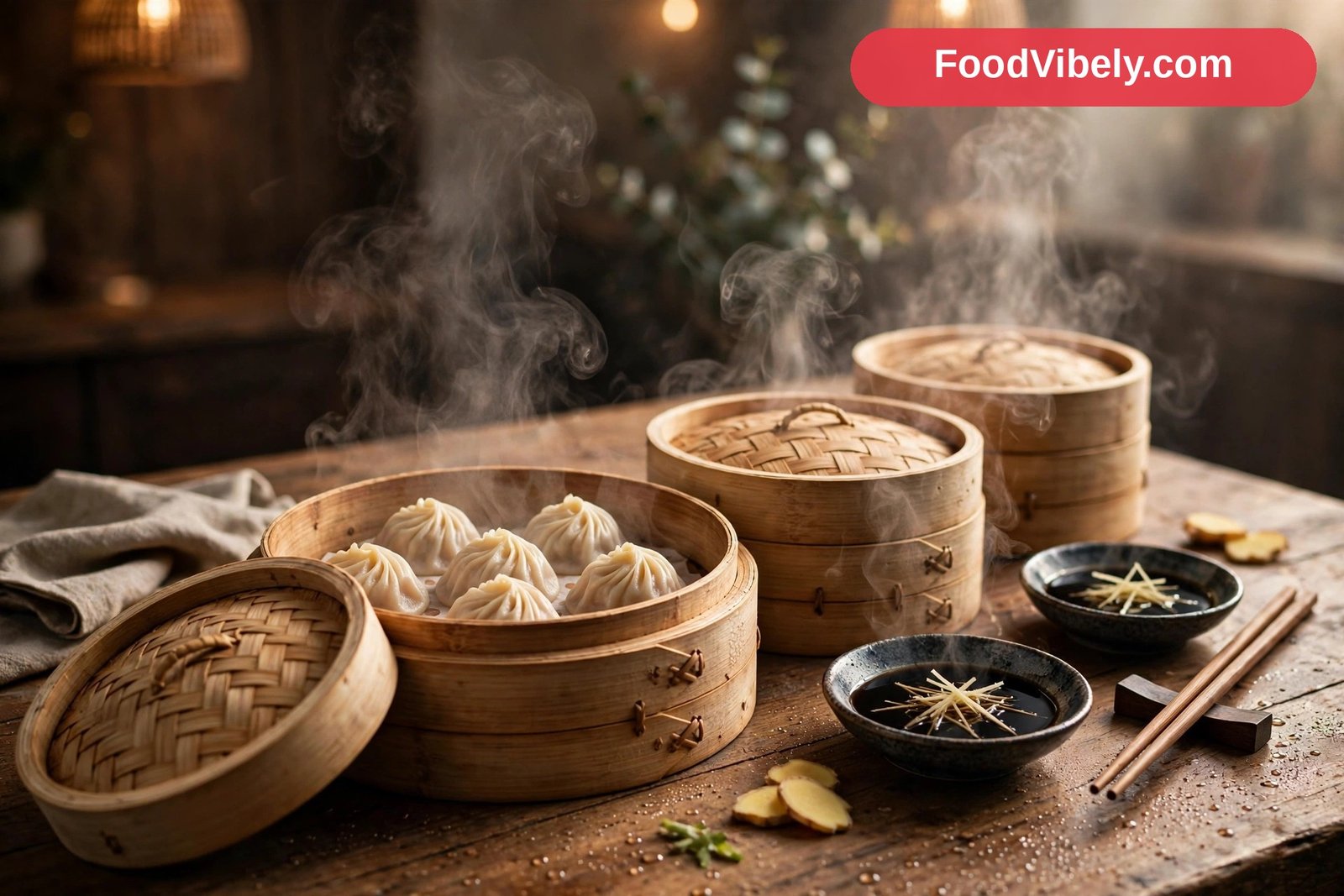
Din Tai Fung began as a small Taipei restaurant and became a global phenomenon on the strength of one dish: xiaolongbao, soup dumplings folded with obsessive precision — each one weighed, pleated and steamed so the broth stays sealed inside. Its Hong Kong branch famously earned a Michelin star, and the original Taiwanese dining rooms still draw queues of locals and pilgrims alike. Honest caveat: the experience is efficient rather than luxurious, and waits can be long. But for the dumpling itself, this remains the reference point the whole world measures against.
Best for: The definitive xiaolongbao experience
T’ang Court — Hong Kong, China
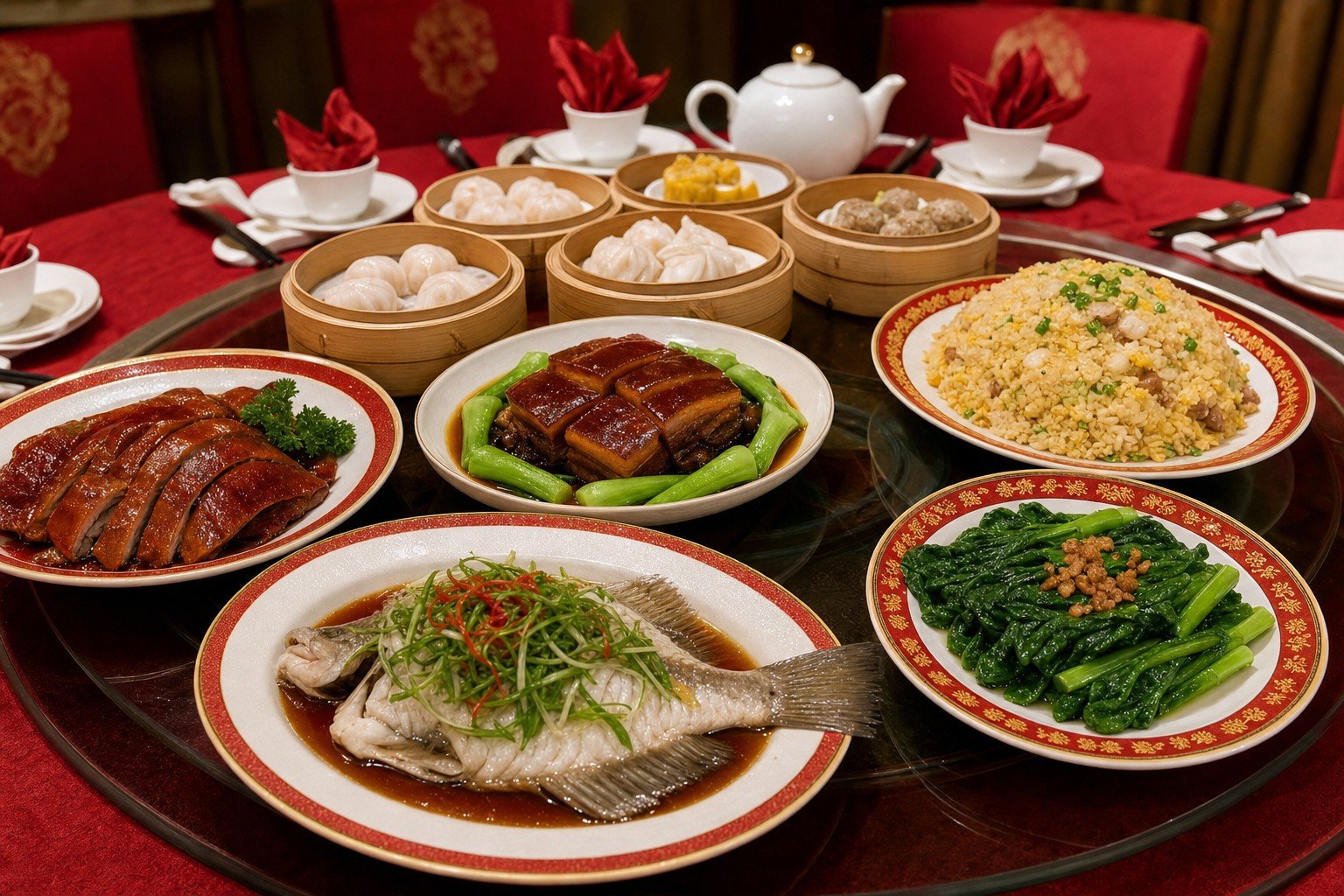
T’ang Court, at The Langham in Tsim Sha Tsui, is grand-hotel Cantonese cooking of the old school, long recognised by the Michelin Guide with stars. The room is rich red and gold, the service formal in the best way, and the kitchen excels at the luxurious end of the Cantonese repertoire — superior broths, abalone and bird’s nest preparations, and baked seafood dishes that have won the restaurant loyal followings among Hong Kong’s banquet-goers. If you want to understand what a celebratory Cantonese feast looks like at its peak, book here.
Best for: A traditional, celebratory Cantonese banquet
Mott 32 — Hong Kong, China
Mott 32, named after a historic New York Chinatown address, is modern Chinese dining with real glamour: a dramatic basement dining room where Cantonese and other regional dishes are cooked over charcoal and in a dedicated duck oven. Its applewood-roasted Peking duck, ordered in advance, is the signature, alongside barbecue pork made with prized Iberico char siu. It is stylish enough for a big night out yet serious about its cooking — a combination few restaurants pull off. Branches abroad followed, but the Hong Kong original is the one to visit.
Best for: A glamorous night out with serious modern Chinese food
Wing — Hong Kong, China
At Wing, chef Vicky Cheng cooks what he calls boundless Chinese cuisine: tasting menus that move across China’s regions, reworking classic techniques and flavour pairings with contemporary confidence. The restaurant has become a fixture on Asia’s 50 Best Restaurants lists and one of the most talked-about dining rooms in Hong Kong. Dishes might pair premium local seafood with preserved ingredients, or rebuild a familiar classic from unexpected parts. It is thoughtful, personal cooking — the strongest evidence that Chinese fine dining’s centre of gravity is shifting to a new generation.
Best for: Modern, chef-driven Chinese tasting menus
Hakkasan — London, UK
Hakkasan’s original Hanway Place restaurant, opened in London in 2001, changed the image of Chinese food in the West: a dark, seductive dining room serving refined modern Cantonese dishes to a fashionable crowd. It was among the first Chinese restaurants in London to earn a Michelin star, and dishes like its dim sum platters and roasted duck with caviar became signatures copied everywhere. The brand has since gone global, with varying fortunes, but the London original remains a landmark — proof that glamour and good Cantonese cooking can share a table.
Best for: Stylish modern Cantonese in the heart of London
Quanjude — Beijing, China
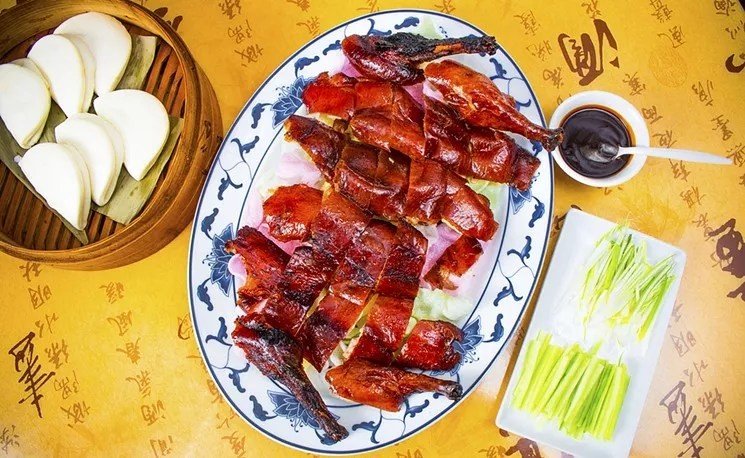
Quanjude has been roasting ducks in Beijing since 1864, making it one of the most historic names in Chinese food. Its Peking duck — glossy, crisp-skinned, carved at the table and eaten in pancakes with scallion and sweet bean sauce — is served by a house that has hosted generations of state banquets and visiting dignitaries. The flagship dining rooms are vast and can feel institutional, and seasoned travellers debate which branch is best. Go for the history and the duck itself, carved by masters of a 160-year-old craft.
Best for: Peking duck with unmatched history
Da Dong — Beijing, China
Da Dong is the modern face of Peking duck in Beijing: chef Dong Zhenxiang built his name on a leaner, crisper duck, roasted so the skin shatters and the fat is rendered away, then presented with almost sculptural flair. The dining rooms are dramatic and contemporary, the menu ranges widely across Chinese luxury ingredients, and the whole experience feels like Beijing showing off. Purists argue about tradition versus innovation, but few deny the cooking’s polish. If Quanjude is the museum, Da Dong is the gallery of modern art next door.
Best for: A contemporary, theatrical take on Peking duck
Fu He Hui — Shanghai, China
Fu He Hui is one of the world’s most acclaimed vegetarian restaurants: a serene Shanghai dining room serving tasting menus built entirely on vegetables, mushrooms and tofu, rooted in Chinese Buddhist cooking traditions. It has held a Michelin star — a rare honour for a meatless kitchen — and its courses are quiet revelations of texture and depth, from mushroom broths to dishes that mimic the complexity of banquet cooking without a single animal product. Book the full menu, surrender expectations, and prepare to rethink what vegetarian food can be.
Best for: A revelatory vegetarian tasting menu
Jade Dragon — Macau, China
Inside Macau’s City of Dreams, Jade Dragon is Cantonese fine dining at full luxury wattage: a palatial room, rare ingredients, and a kitchen long recognised by the Michelin Guide. Signature dishes lean on premium seafood and meticulous technique — charcoal-grilled barbecue pork and elaborate soups among them — and the wine and tea programmes are as considered as the food. Macau’s casino resorts house many grand restaurants, but Jade Dragon is the one serious Cantonese food lovers consistently name first. Dress up, book ahead, and let the banquet come to you.
Best for: Macau’s grandest Cantonese dining experience
Xin Rong Ji — Taizhou, China
Xin Rong Ji began in Taizhou, on Zhejiang’s coast, and built a devoted following on a simple creed: find the finest ingredients — especially seafood from its home waters — and cook them with restraint. Its restaurants in cities including Shanghai and Hong Kong have earned Michelin recognition, and dishes like braised wild yellow croaker (when available) are spoken of with awe by Chinese food lovers. The cooking is less about showmanship than about provenance and touch. For travellers, the Shanghai and Hong Kong branches are the accessible way into a connoisseur’s legend.
Best for: Ingredient-obsessed seafood and home-style Zhejiang cooking
A Hidden Gem Worth the Trip
Tim Ho Wan, the Hong Kong dim sum specialist, became famous worldwide as the budget-friendly Michelin-starred restaurant — a tiny, no-frills shop whose baked barbecue pork buns were so good that the guide could not ignore them. The star has come and gone over the years and branches now span the globe, but the original Hong Kong shops still serve dim sum of remarkable quality for remarkably little money. Queue, order the pork buns and the steamed rice rolls, and enjoy fine-dining skill at street-food prices.
Frequently Asked Questions
What is considered the best Chinese restaurant in the world?
There is no single title, but Lung King Heen in Hong Kong has the strongest historical claim — it was the first Chinese restaurant ever to hold three Michelin stars. For a single dish, Din Tai Fung’s xiaolongbao and Beijing’s great duck houses are equally iconic.
Which Chinese city is best for food lovers?
Hong Kong is the easiest answer: it packs historic Cantonese houses, modern innovators like Wing, and humble dim sum legends into one small, easy-to-eat-through city. Beijing is essential for Peking duck, and Shanghai for soup dumplings and refined Jiangnan cooking.
Do I need to book these restaurants in advance?
Yes for the fine-dining names — the Hong Kong and Macau restaurants on this list can fill weeks ahead, especially weekends. Din Tai Fung and Quanjude generally work on queues rather than bookings, so arrive early or outside peak hours.
What should a first-timer order at a Cantonese restaurant?
Dim sum at lunch (har gow prawn dumplings, siu mai, barbecue pork buns), a steamed whole fish, and a double-boiled soup show the cuisine’s range. At dinner, roasted meats and a clay-pot dish round things out. Tea is the traditional accompaniment.
Are these restaurants very expensive?
They span a wide range. Tim Ho Wan and Din Tai Fung are genuinely affordable; the hotel fine-dining rooms are special-occasion priced, with tasting menus and premium seafood running into the hundreds of dollars. Banquet dishes like abalone and whole fish are priced by weight — ask before ordering. For more celebratory picks, explore more of the most famous restaurants in the world.
Final Thoughts
The joy of Chinese food at this level is its range: the same tradition produces a two-bite soup dumpling in Taipei, a banquet in Hong Kong and a duck carved like theatre in Beijing. The restaurants here are famous for good reason, but each also rewards curiosity — order the dish the house was built on, then let the staff guide you one course further.
Start with the city you are actually visiting, book the big names early, and leave room for a humble dim sum queue. That balance of grand and everyday is exactly how Chinese food is meant to be eaten.

3 Comments