
Most Famous Restaurants in the World: Iconic Places to Eat
Fame and greatness are not always the same thing — but the most famous restaurants in the world usually earned their reputations the slow way: one remarkable meal, one devoted diner, one story retold at a time. A few of them changed cooking itself. A couple no longer exist, yet chefs still talk about them the way musicians talk about legendary venues.
This is a list about legacy as much as dinner. Some of these rooms you can still book, with patience. Others you can only visit in documentaries, cookbooks and the memories of lucky diners — and they belong here anyway, because fine dining today is unimaginable without them.
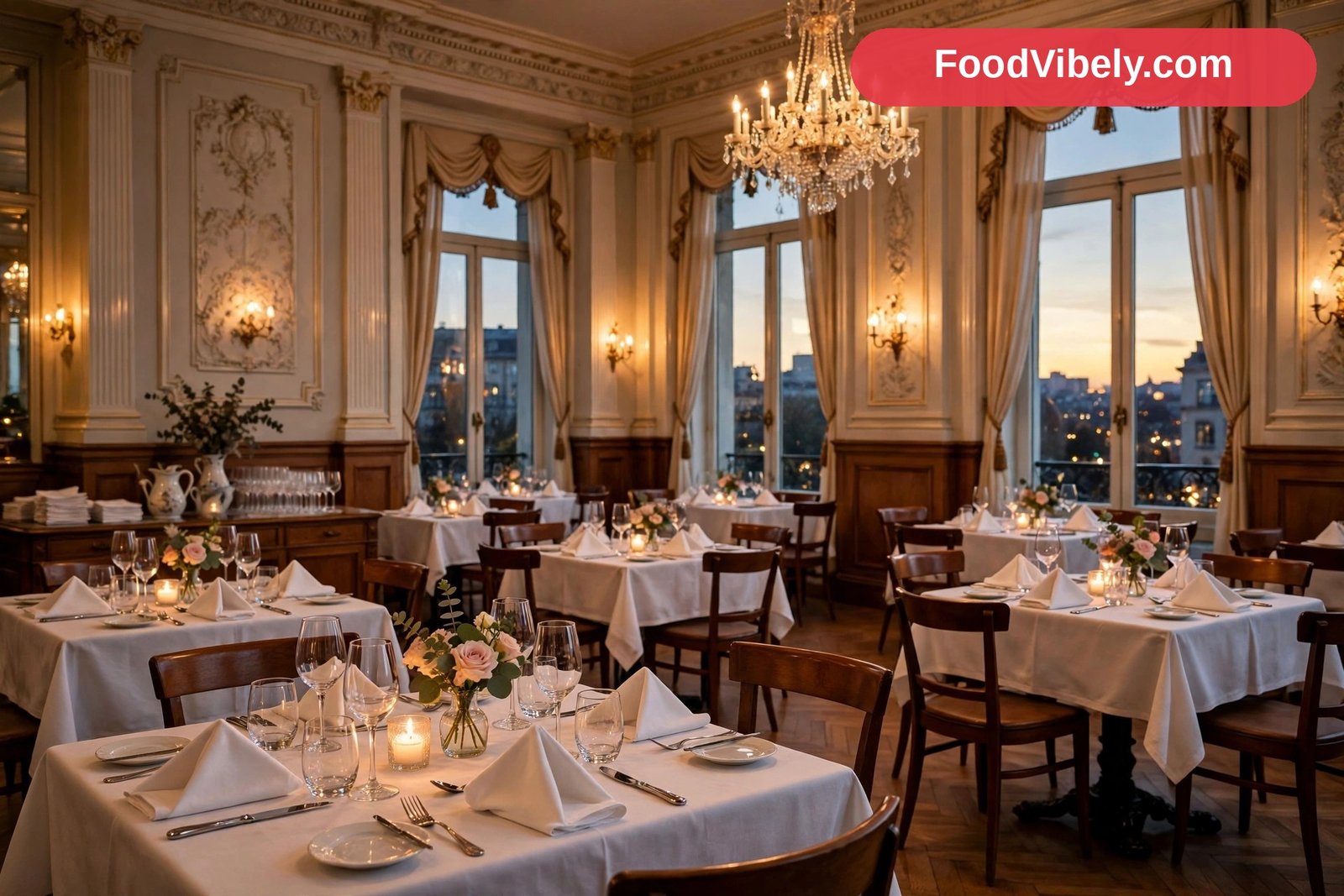
How We Picked These Restaurants
For this list, fame had to be earned and durable. We looked for restaurants recognised across generations — by the Michelin Guide, the World’s 50 Best and, most importantly, by the chefs who rebuilt their own cooking after eating there. If you want the places leading the conversation right now, pair this list with our pick of the best restaurants in the world.
- Lasting influence — restaurants that changed techniques, menus or whole cuisines.
- Recognition over decades — awards and acclaim that survived changing fashions.
- Stories people still tell — the meals that became legend among diners and chefs.
- Cultural footprint — documentaries, books and dishes the wider world knows by name.
The Most Famous Restaurants in the World
elBulli — Roses, Spain
No list of famous restaurants starts anywhere else. Under chef Ferran Adrià, elBulli turned a beachside restaurant on the Catalan coast into the most influential kitchen on the planet, pioneering techniques — foams, spherification, radical deconstruction — that reshaped fine dining everywhere, and it topped global rankings repeatedly. Honesty matters here: elBulli served its last dinner as a restaurant in 2011 and lives on as a foundation and museum project, elBulli1846. You cannot book a table. But almost every daring tasting menu served today carries a little of its DNA.
Best for: Understanding where modern tasting menus came from
The French Laundry — Yountville, United States
Thomas Keller’s three-Michelin-starred restaurant in Napa Valley is arguably America’s most famous dining room, built inside a stone cottage that really was once a French steam laundry. Keller’s cooking is French in technique and American in spirit, served as two tasting menus that change daily. The signature “Oysters and Pearls” — a delicate sabayon with oysters and caviar — is one of the most imitated dishes in the country. Caveat: reservations are famously competitive and released in batches, so flexibility with dates is your best friend.
Best for: The definitive American fine-dining pilgrimage
Noma — Copenhagen, Denmark
For two decades, Noma was the restaurant other restaurants measured themselves against. René Redzepi’s New Nordic manifesto — forage locally, ferment everything, let the seasons dictate — was named the world’s best five times and redrew the map of fine dining towards Scandinavia. A necessary honest note: Noma closed its regular service at the end of 2024, reinventing itself as a test kitchen with seasonal pop-ups. Its fame now is legacy fame — the kind that fills cookbooks, documentaries and the ambitions of a generation of young chefs.
Best for: The legacy of New Nordic cooking, and rare pop-up seasons
The Fat Duck — Bray, England
Heston Blumenthal’s three-Michelin-starred restaurant in the village of Bray made British cooking famous for curiosity and theatre. The Fat Duck treats a meal like a trip through memory and the senses — most famously “Sound of the Sea,” seafood served with an iPod in a conch shell playing waves, and the cheeky Snail Porridge that became a national talking point. It is playful, precise and deeply personal cooking. Caveat: the small dining room and global fame mean booking windows vanish quickly.
Best for: Multi-sensory dining that plays with memory and nostalgia
Sukiyabashi Jiro — Tokyo, Japan
A ten-seat counter in a Ginza basement became the world’s most famous sushi restaurant. Sukiyabashi Jiro was the first sushi restaurant awarded three Michelin stars, and the 2011 documentary Jiro Dreams of Sushi turned founder Jiro Ono into a symbol of lifelong devotion to craft; his son Yoshikazu now leads the counter, and a 2014 visit by a sitting US president sealed its global fame. One caveat: it left the Michelin Guide in 2019 because it does not accept public reservations — bookings go through luxury hotel concierges.
Best for: The legend of Edomae sushi, perfected over a lifetime
Le Bernardin — New York City, United States
Le Bernardin began in Paris before becoming a New York institution, and its fame rests on one thing done supremely well: seafood. With three Michelin stars and chef Éric Ripert leading the kitchen for decades, it is the reference point for fish cookery — barely-cooked, pristine, sauced with a lightness that hides enormous skill. Presidents, chefs and ordinary celebrators all end up in the same calm dining room. It is famous not for spectacle but for never, ever slipping. Book ahead; the best tables are quietly spoken for.
Best for: Timeless, flawless seafood in the heart of Manhattan

Osteria Francescana — Modena, Italy
Massimo Bottura built the world’s most famous Italian restaurant by loving tradition enough to argue with it. His three-Michelin-starred dining room in Modena twice reached number one on the World’s 50 Best list with dishes that tell stories — a deconstructed lasagna crisp, Parmigiano at five ages, a lemon tart “accidentally” dropped and served with pride. The fame is global, but the soul is pure Emilia-Romagna. Caveat: with only a handful of tables, reservations are among the toughest in Italy.
Best for: Italian heritage retold as edible storytelling
Eleven Madison Park — New York City, United States
Eleven Madison Park, Daniel Humm’s grand Art Deco dining room facing Madison Square Park, held three Michelin stars and the world’s number one ranking before making its boldest move: reopening in 2021 with an entirely plant-based menu — a decision that made headlines worldwide, after which it famously retained its three stars. Whether you see it as courage or provocation, it changed what luxury dining could mean. The room remains one of New York’s great stages. Expect a special-occasion bill and book well ahead.
Best for: A landmark dining room that reinvented itself around vegetables
Alinea — Chicago, United States
Grant Achatz’s Alinea made Chicago a global fine-dining capital with cooking that is equal parts science, art and mischief. The three-Michelin-starred restaurant is famous for dishes that float, dissolve or are painted directly onto your tabletop — the edible helium balloon is the one everyone photographs, but the real signature is the pacing of a meal built like a piece of theatre. Achatz’s story, from young prodigy to cancer survivor who lost his sense of taste and rebuilt it, is part of the legend. Reservations sell out in waves.
Best for: Avant-garde dining as full-scale theatre
Gaggan Anand — Bangkok, Thailand
Before Gaggan Anand, “progressive Indian” was not a phrase the world knew. Chef Gaggan Anand’s Bangkok cooking — first at Gaggan, which repeatedly topped Asia’s 50 Best, and now at his chef’s-counter restaurant bearing his name — turned Indian flavours into foams, spheres and an emoji menu diners decode course by course, all set to rock music and chef-led storytelling. Lick It Up, eaten from the plate by hand, became an icon. It is fame earned by personality as much as technique, and seats are extremely limited.
Best for: Indian cuisine, remixed loud, fun and unforgettable
Disfrutar — Barcelona, Spain
Disfrutar is where elBulli’s legacy lives on as a working restaurant. Its three chefs all led Ferran Adrià’s kitchen, and after elBulli closed they opened this bright Barcelona dining room in 2014 — now holding three Michelin stars and a World’s 50 Best number one — serving wildly inventive food with zero solemnity. Tables bubble, spheres burst, and the multi-spherical pesto has become a modern classic. Where Tickets, the Adrià brothers’ beloved tapas playground, sadly closed its doors in 2021, Disfrutar carries the family’s creative torch. The waitlist is long; join it anyway.
Best for: The living spirit of elBulli, served with a smile
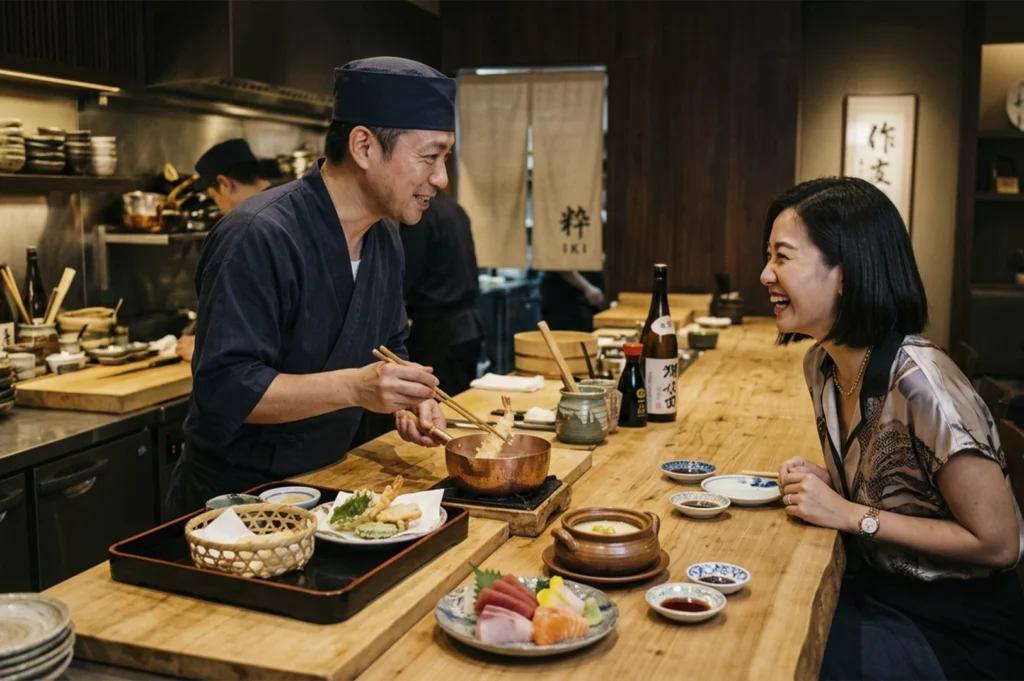
A Hidden Gem Worth the Trip
Famous among chefs, quieter among tourists: Asador Etxebarri, in Atxondo, Spain. In a stone house in the Basque countryside, chef Victor Arguinzoniz cooks an entire tasting menu over fire — every ingredient, from caviar to ice cream, touched by embers he tends himself on grills he designed. There is no theatre and no playlist, just smoke, patience and some of the most praised cooking on earth. It is a detour from Bilbao you will never regret. Explore more under-the-radar favourites alongside the big names in our famous restaurant signature dishes guide.
Frequently Asked Questions
Can you still eat at elBulli?
No. elBulli closed as a restaurant in 2011 and Ferran Adrià has kept it closed, transforming the site into elBulli1846, a museum and research project about its legacy. The closest living experiences are the restaurants of its alumni — Disfrutar in Barcelona being the most celebrated.
Which famous restaurant is the hardest to book?
The tiny counters are usually the toughest: Sukiyabashi Jiro does not take public bookings at all, while places like The French Laundry and Osteria Francescana release seats in batches that disappear in minutes. Set calendar alerts, be flexible with lunch and midweek dates, and always join the waitlist.
Do these restaurants live up to the hype?
Mostly, yes — fame at this level is rarely an accident. Go in expecting a special meal rather than a life-changing revelation, order the tasting menu the kitchen is known for, and you will likely leave understanding exactly why the name endures.
How much should I budget for a famous tasting-menu dinner?
At this level, tasting menus commonly run into the hundreds of dollars per person, with pairings, service and tax on top in many cities. Check the restaurant’s own website for the current menu price before booking, and confirm the cancellation policy — many charge for late cancellations.
What should I wear and how should I behave at a legendary sushi counter?
Dress smartly and simply, arrive exactly on time, and skip strong perfume, which interferes with the fish. At traditional counters in Japan, photos may be discouraged, courses move quickly, and tipping is not customary — quiet attention is the best compliment you can pay.
Final Thoughts
Famous restaurants are a little like famous songs: everyone has a favourite, everyone argues, and hearing one again can still give you goosebumps. Some of these names you can book this year with planning and patience. Others survive only as legend — and tasting their influence in the restaurants of their students is its own kind of pilgrimage.
Start with the table that calls to you, book it properly, and go hungry. The stories, as every diner on this list proves, are best collected in person.
3 Comments